Weight loss advice is everywhere—and honestly, most of it feels overwhelming, unrealistic, or simply not made for real women with real lives.
Gym memberships you don’t use.
Workouts that leave you exhausted.
Diet plans that don’t survive busy mornings.
If that sounds familiar, here’s the truth you don’t hear enough:
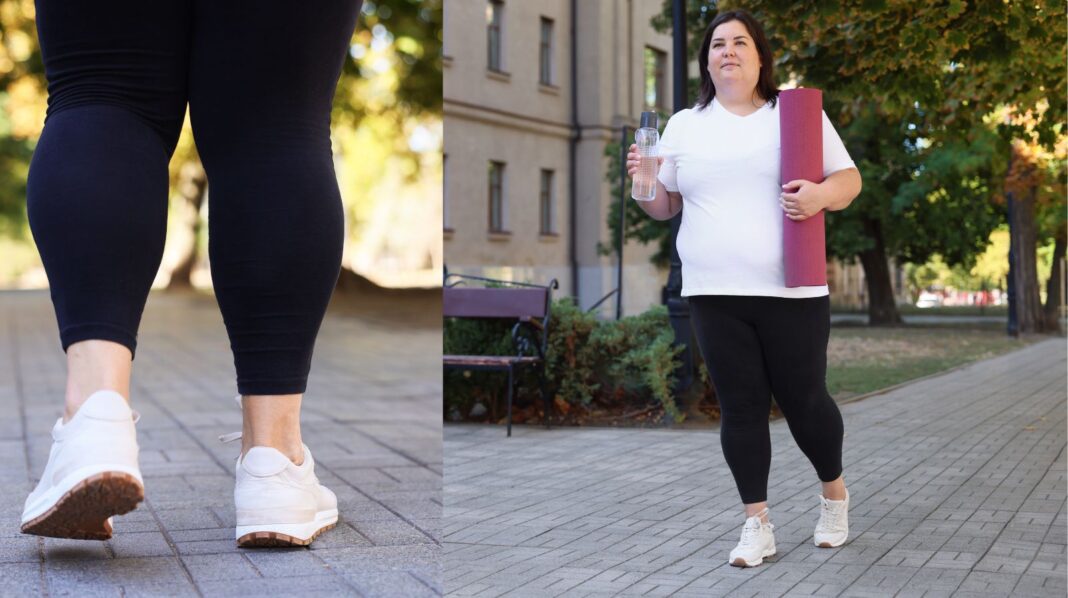
Walking for weight loss actually works—especially for women.
Walking is not “too easy.”
Walking is not “a waste of time.”
Walking is one of the most sustainable, AdSense-safe, beginner-friendly, and Google-loved ways to lose weight naturally.
This guide will walk you through everything you need to know about walking for weight loss in a realistic, no-pressure way that fits into everyday life.
Why Walking for Weight Loss Works So Well for Women
Women’s bodies respond differently to exercise than men’s bodies. Extreme workouts can increase stress hormones, slow fat loss, and lead to burnout.
Walking, on the other hand, works with your body—not against it.
Benefits of Walking for Weight Loss
-
Low-impact and joint-friendly
-
Safe for beginners and overweight women
-
Easy to maintain long-term
-
Supports hormonal balance
-
Reduces stress and emotional eating
-
Burns calories consistently
Walking doesn’t shock your system. It builds progress slowly—which is exactly why it works.
How Walking Helps You Lose Weight Naturally
Weight loss happens when your body uses more energy than it takes in. Walking increases daily calorie burn while keeping your metabolism stable.
Walking supports weight loss by:
-
Increasing daily movement
-
Improving insulin sensitivity
-
Encouraging fat burning over muscle loss
-
Reducing cortisol (stress hormone)
-
Supporting digestion and sleep
For women, stress management is a major factor in fat loss—and walking helps with that more than intense workouts.
Is Walking Enough for Weight Loss?
Yes. Walking is enough for weight loss when done with intention and consistency.
You don’t need:
Running every day
Gym equipment
Extreme HIIT sessions
You do need:
Regular walking
Brisk pace
Enough time
Supportive eating habits
Walking works best as a daily habit, not a short-term challenge.
How Much Should You Walk to Lose Weight?
The amount of walking needed depends on your starting point, lifestyle, and goals.
Beginner Level
-
20–30 minutes per day
-
5 days per week
Intermediate Level
-
30–45 minutes per day
-
5–6 days per week
Advanced/Faster Results
-
45–60 minutes per day
-
6 days per week
You don’t need to start at the top. Consistency matters more than intensity.
Best Walking Speed for Weight Loss
Walking speed plays an important role in calorie burn.
Ideal Pace for Weight Loss
-
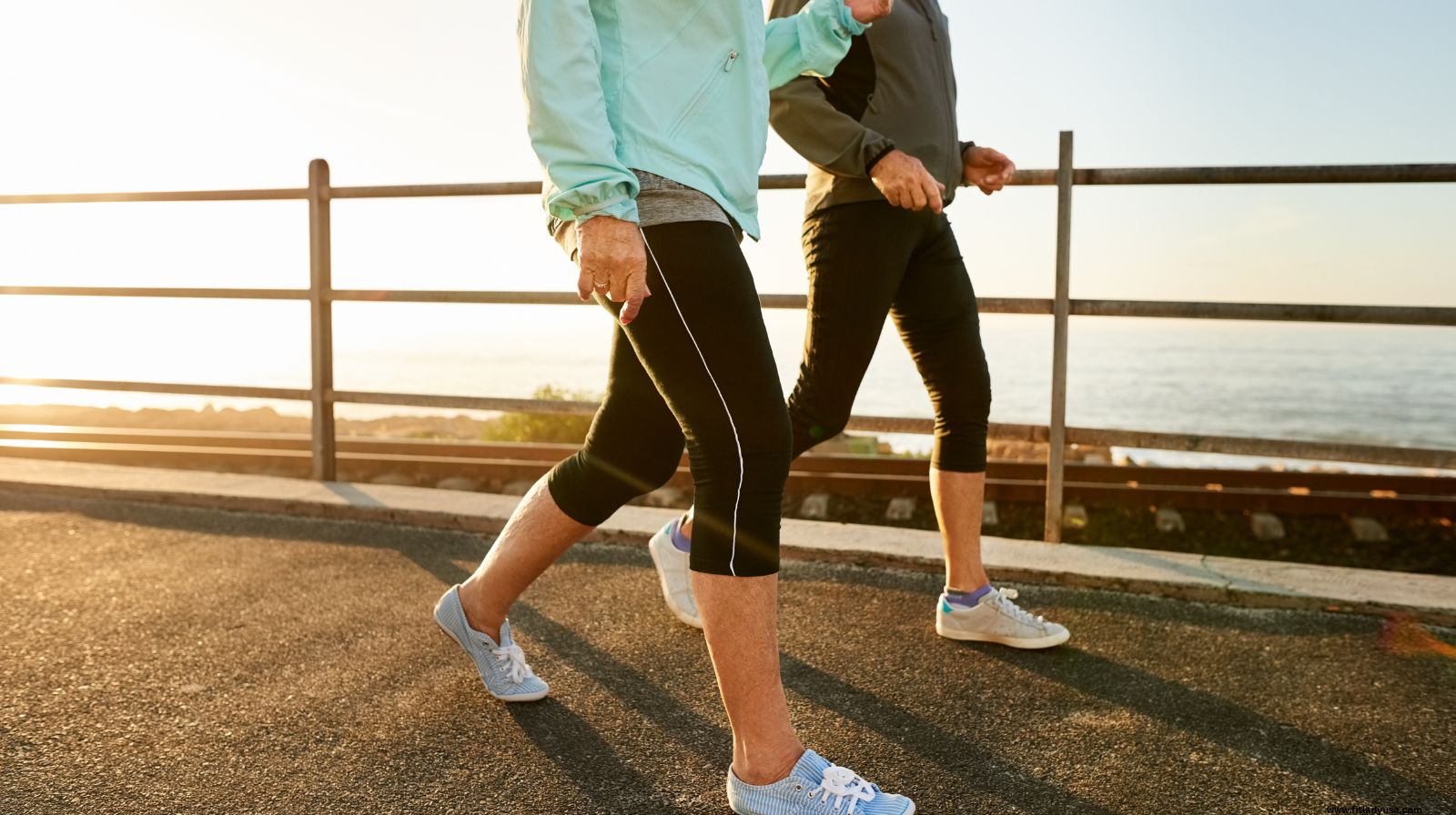
Brisk walking
-
You can talk, but not sing
-
Slightly elevated heart rate
A good rule of thumb: if you’re breathing heavier but still feel in control, you’re walking at the right pace.
Walking vs Running for Weight Loss
Running burns more calories per minute—but that doesn’t mean it’s better.
| Walking | Running |
|---|---|
| Low injury risk | Higher injury risk |
| Sustainable long-term | Hard to maintain |
| Better for joints | Stress on knees |
| Beginner-friendly | Not beginner-friendly |
For most women, walking consistently beats running occasionally.
Best Time of Day to Walk for Weight Loss
There is no single “perfect” time—the best time is the one you can stick to.
Morning Walking
-
Boosts metabolism
-
Improves mood
-
Encourages healthy food choices
Afternoon Walking
-
Reduces stress
-
Helps manage cravings
Evening Walking
-
Supports digestion
-
Reduces emotional eating
Consistency always matters more than timing.
Walking on an Empty Stomach: Is It Effective?
Some women prefer walking before breakfast; others feel better after eating.
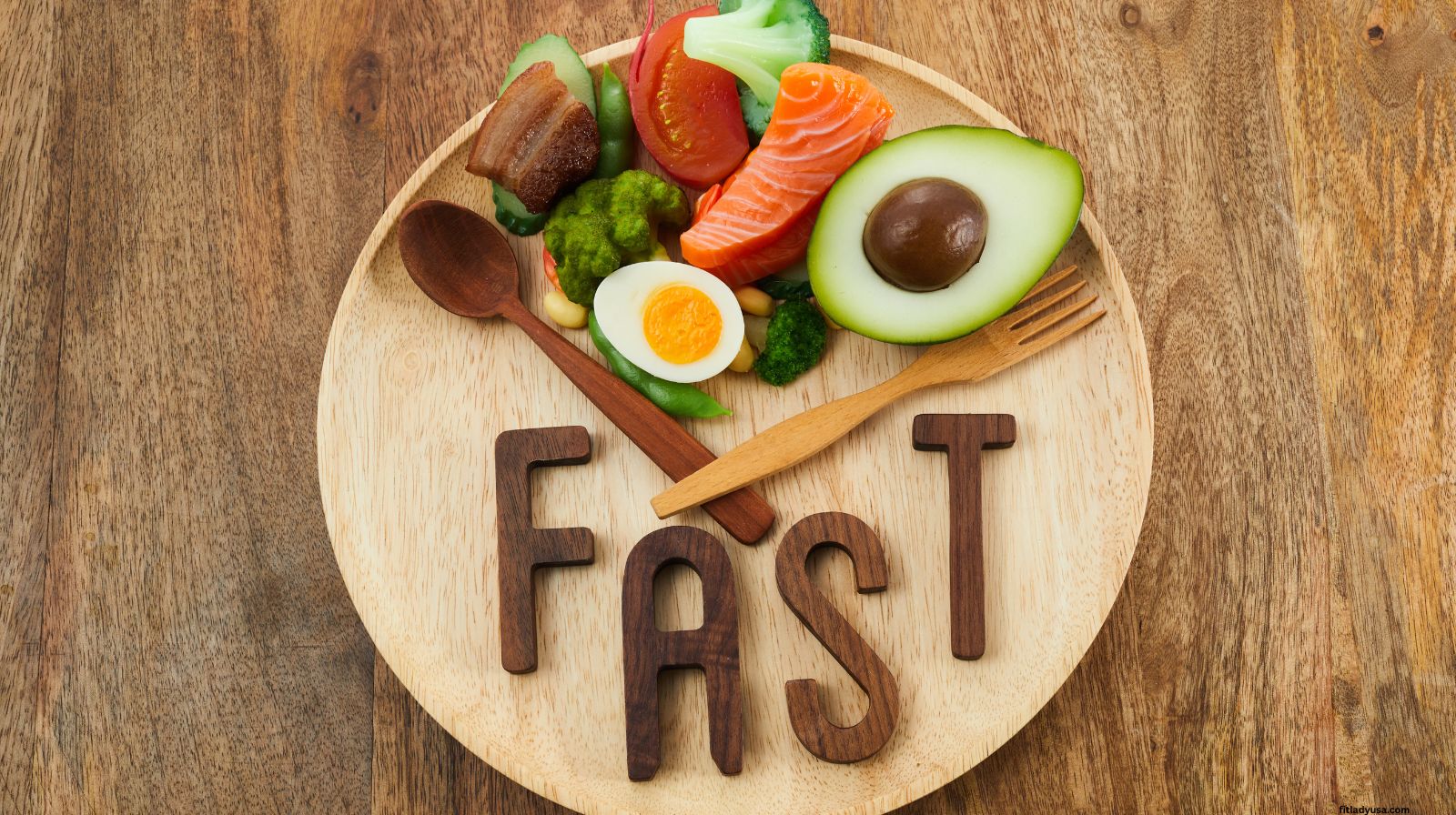
Fasted Walking
-
May increase fat usage
-
Not suitable for everyone
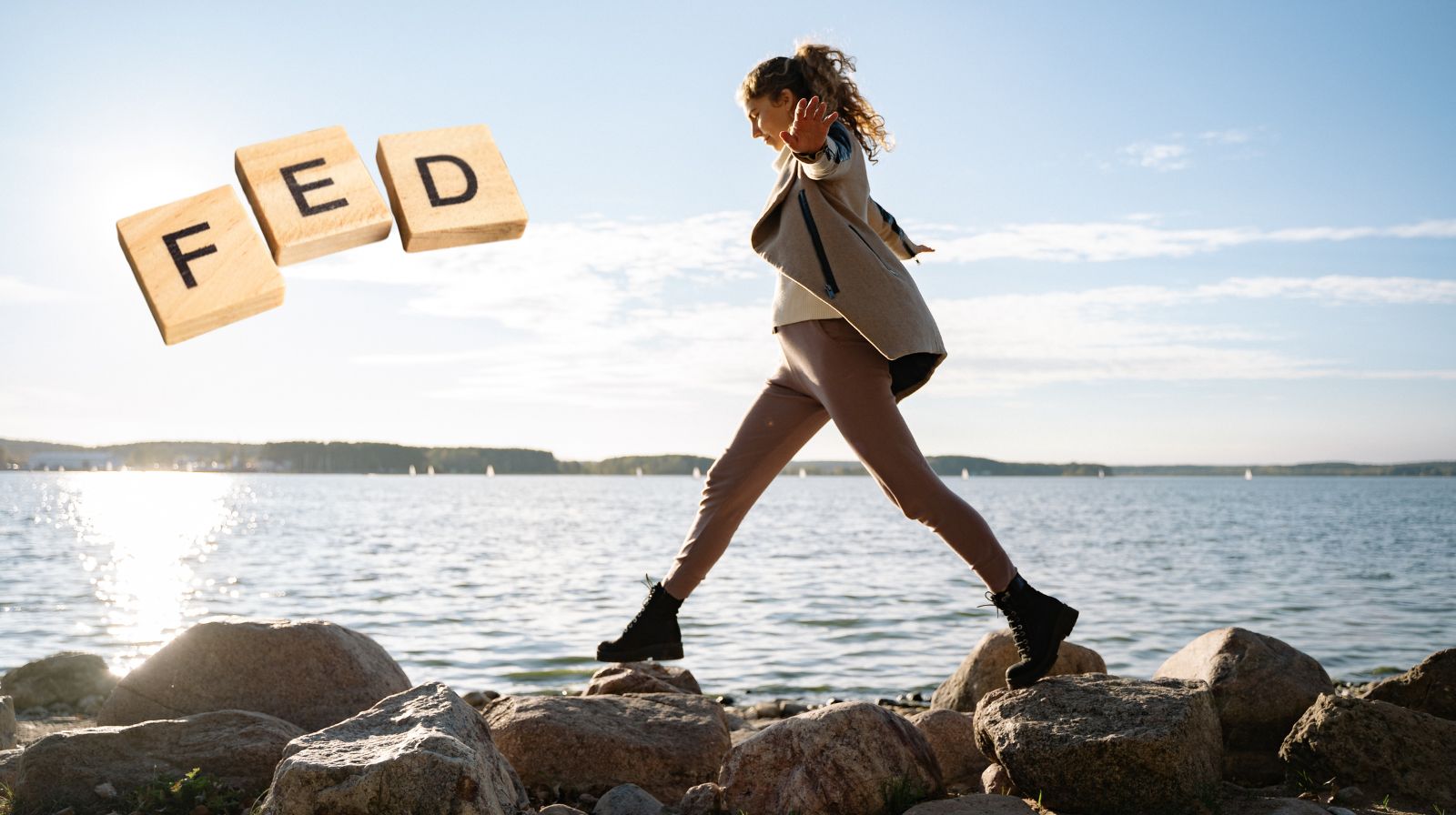
Fed Walking
-
More energy
-
Better for beginners
Choose what feels sustainable for you
How Many Calories Does Walking Burn?
Calories burned depend on body weight, speed, and duration.
Approximate Estimates:
-
30-minute brisk walk: 120–170 calories
-
45-minute brisk walk: 180–250 calories
-
60-minute brisk walk: 250–300 calories
Over time, these calories add up.
Proper Walking Technique for Weight Loss
Good form improves comfort and results.
Key Tips:
-
Stand tall
-
Relax shoulders
-
Engage core lightly
-
Swing arms naturally
-
Take steady steps
Small improvements in form can increase calorie burn without extra effort.
Incline Walking for Faster Weight Loss
Incline walking increases intensity without increasing impact.
Benefits of Incline Walking:
-
Burns more calories
-
Strengthens legs and glutes
-
Reduces boredom
-
Safer than running
Use hills outdoors or incline on a treadmill.
Walking Plan for Weight Loss (Beginner to Advanced)
Weeks 1–2
-
20–25 minutes
-
Comfortable pace
Weeks 3–4
-
30–35 minutes
-
Brisk pace
Weeks 5–6
-
40–45 minutes
-
Add hills or intervals
Progress slowly to avoid burnout.
Can Walking Help Reduce Belly Fat?
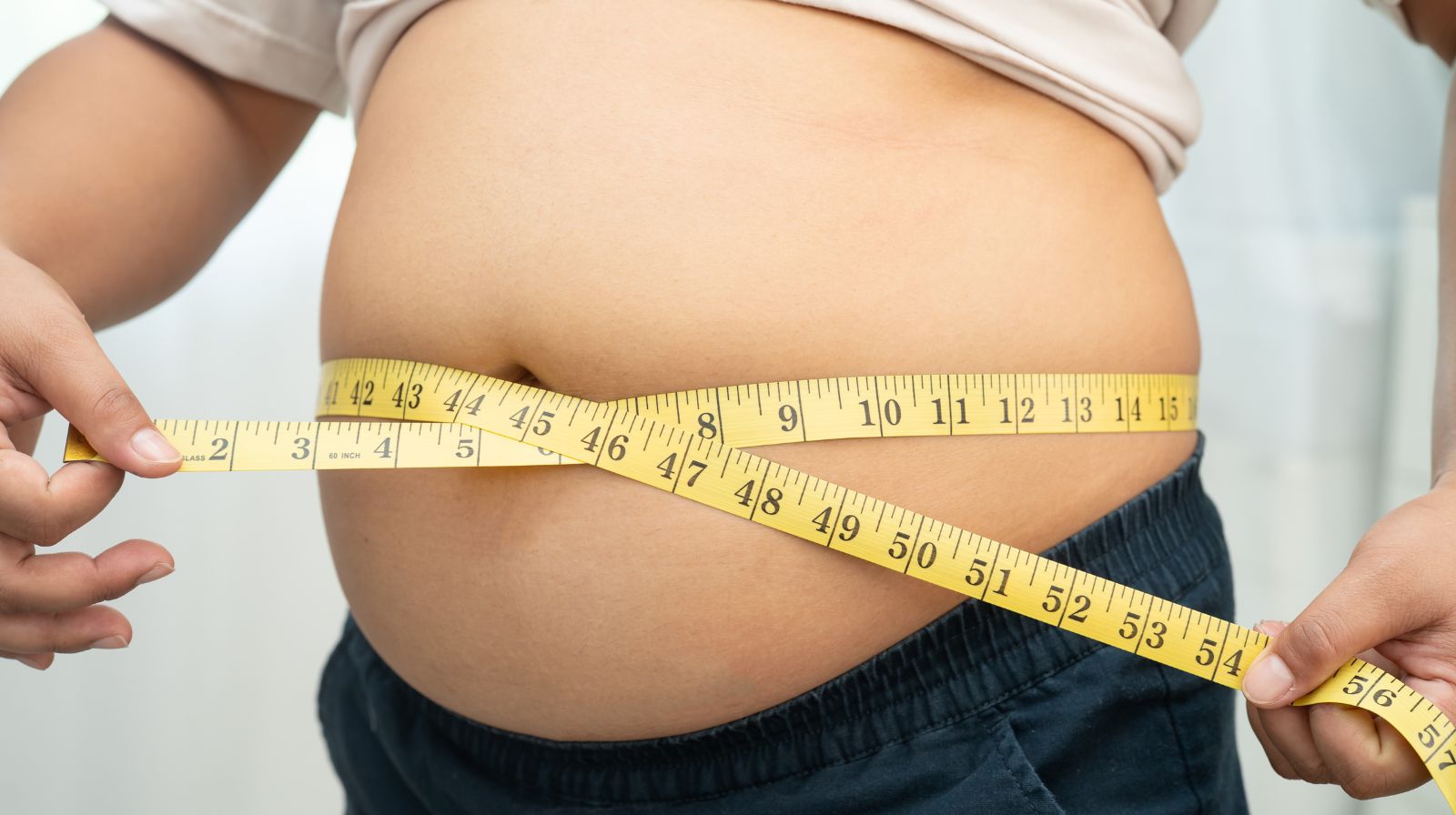
Spot reduction is a myth—but walking reduces overall body fat, including belly fat.
Walking helps by:
-
Lowering stress levels
-
Improving insulin sensitivity
-
Encouraging fat loss gradually
Combine walking with healthy eating for best results.
Walking to Lose Weight Naturally:
If you want to lose weight naturally without extreme workouts, complicated meal plans, or expensive gym memberships, walking might be your secret weapon.
Walking to lose weight naturally works because it’s simple, sustainable, and realistic. You don’t need to be super fit. You don’t need fancy equipment. You just need consistency.
Why Walking Helps With Weight Loss
Walking burns calories, improves metabolism, and reduces stress — three major factors in natural weight loss.
When you walk regularly:
-
You burn extra calories daily
-
Your body uses stored fat for energy
-
Your hormones balance better
-
Cravings and stress eating reduce
The best part? Walking is low-impact. That means it’s gentle on your joints and safe for beginners, women over 30, and even those who haven’t exercised in years.
Weight loss doesn’t have to feel extreme to be effective.
How to Burn More Fat While Walking
Want better results without walking for hours? Try this:
1. Walk Briskly
Increase your pace slightly. A faster walk = more calorie burn.

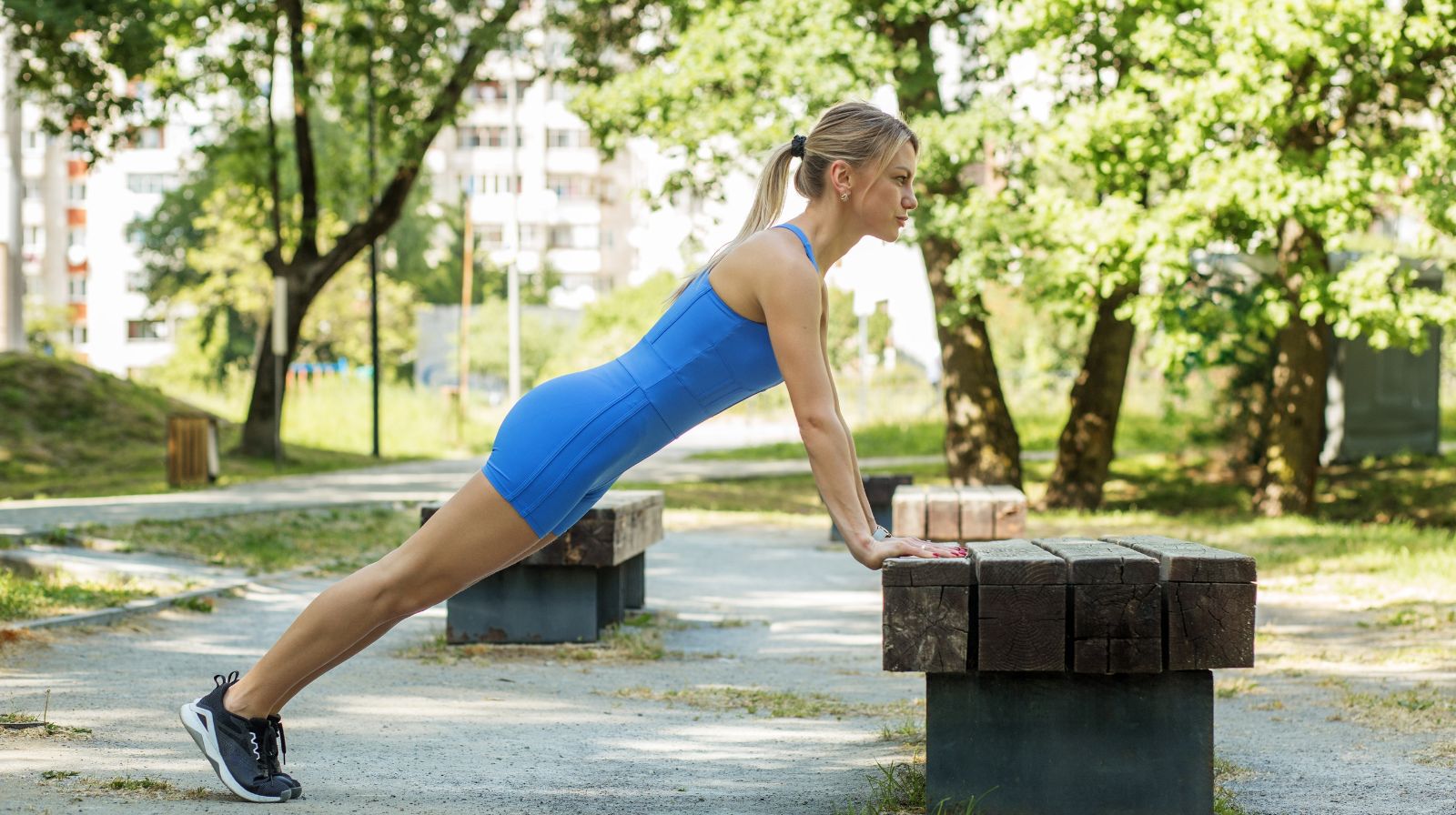
2. Add Incline
If possible, walk uphill or use a treadmill incline. Incline walking targets belly fat and glutes.
3. Use Intervals
Alternate 2 minutes fast walking with 1 minute moderate pace. This increases fat burn.
4. Stay Consistent
Walking 5 days a week is better than one long Sunday walk.
Combine Walking With Smart Habits
Walking alone works — but walking plus healthy habits works faster.
Support your walking routine with:
-
Protein-rich breakfasts
-
Drinking enough water
-
Reducing sugary drinks
-
Getting 7–8 hours of sleep
Natural weight loss isn’t about starving yourself. It’s about creating small, repeatable habits.
How Long Until You See Results?
Most women notice:
-
Better energy in 1–2 weeks
-
Slight weight changes in 3–4 weeks
-
Visible fat loss in 6–8 weeks
Remember, walking for weight loss is not a quick fix. It’s a long-term solution.
And that’s a good thing.
Because extreme workouts burn you out. Walking builds a lifestyle.
The 10,000 Steps a Day Myth: Do You Really Need It for Weight Loss?
You’ve probably heard it everywhere— “Walk 10,000 steps a day to lose weight.”
But bestie, let’s clear this up honestly.
Where Did 10,000 Steps Come From?
The 10,000-step goal actually started as a marketing idea, not a medical rule. Over time, it became popular because it encourages people to move more—which is great—but it is not a requirement for weight loss.
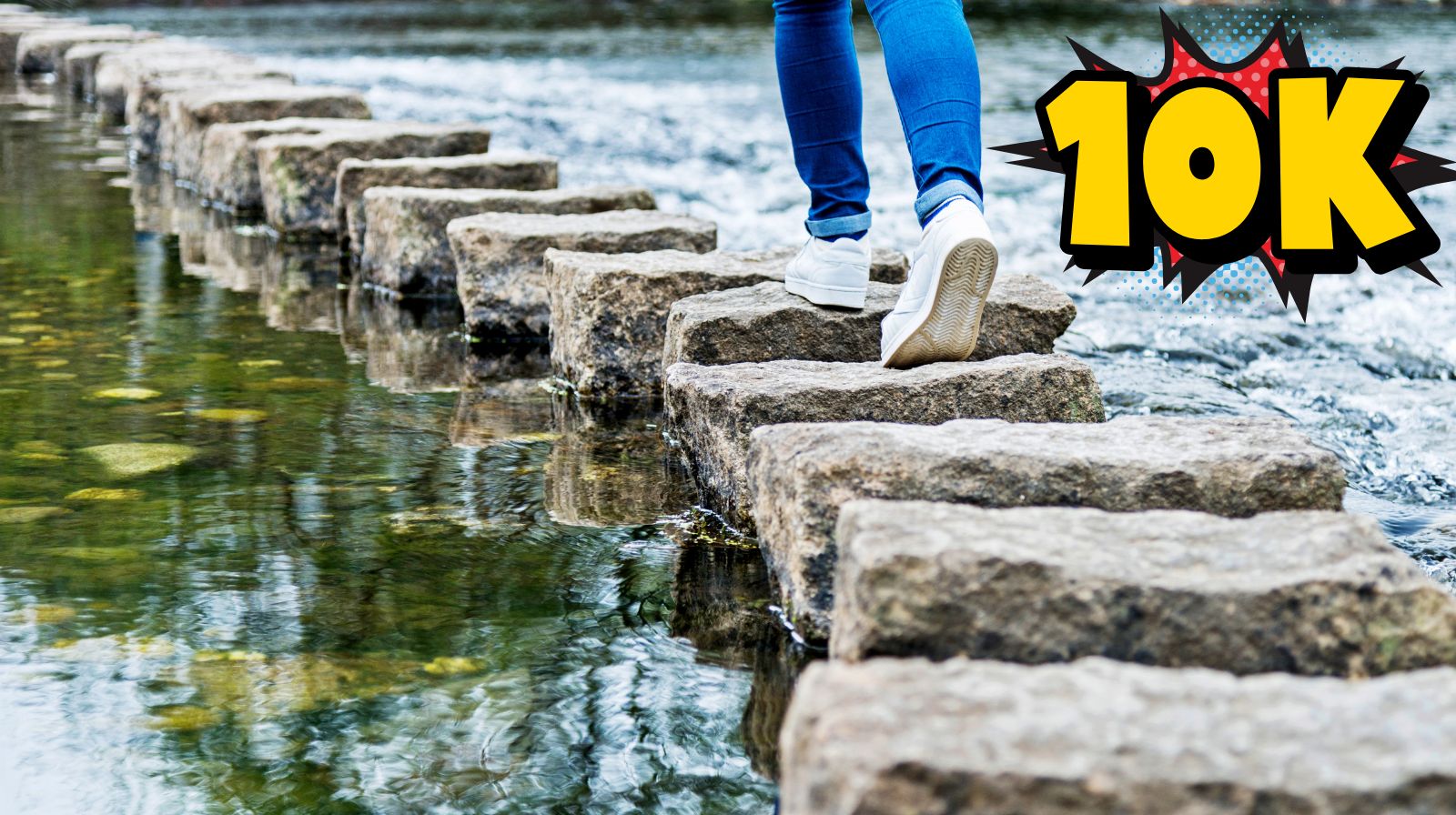
Are 10,000 Steps Necessary for Weight Loss?
No.
You can lose weight with:
-
6,000 steps
-
7,000 steps
-
8,000 steps
What matters more is:
-
Your walking pace
-
Total walking time
-
Consistency over days and weeks
For many women, especially beginners, forcing 10,000 steps can cause burnout.
A Better Step Goal for Women
-
Beginners: 5,000–6,000
-
Intermediate: 7,000–8,000 steps
-
Advanced: 8,000–10,000 steps
Remember: progress beats perfection.
Treadmill Walking vs Outdoor Walking for Weight Loss
Both treadmill and outdoor walking can help with weight loss—but they feel very different.
Treadmill Walking
Pros:
-
Weather-controlled
-
Easy to track speed and incline
-
Safer for beginners
Cons:
-
Can feel boring
-
Less natural movement
Outdoor Walking
Pros:
-
Burns slightly more calories
-
Better mental health benefits
-
More enjoyable
Cons:
-
Weather-dependent
-
Uneven surfaces
Which One Is Better?
Bestie answer: the one you’ll actually do consistently.
If a treadmill helps you stay consistent, use it.
If outdoor walks motivate you, go outside.
Does Walking Build Muscle or Only Burn Fat?
Walking mainly burns calories and fat, but it also strengthens muscles—especially when done correctly.
Muscles Activated While Walking:
-
Legs (thighs, calves)
-
Glutes
-
Core (light activation)
Adding:
-
Hills
-
Incline
-
Faster pace
can increase muscle engagement and calorie burn.
Walking won’t make you bulky—it will make you stronger and leaner over time.
What to Wear for Walking: Comfort Matters More Than Style
You don’t need fancy gym outfits to lose weight by walking.
Best Shoes for Walking
-
Comfortable walking or running shoes
-
Good arch support
-
Proper cushioning
Wearing bad shoes can cause:
-
Knee pain
-
Back pain
-
Foot discomfort
Clothes for Walking
-
Breathable fabrics
-
Comfortable fit
-
Weather-appropriate layers
Comfort helps you walk longer—and consistency helps you lose weight.
How to Track Walking Progress Without Obsessing
Tracking progress is helpful—obsessing is not.
Healthy Ways to Track Walking:
-
Daily step count
-
Minutes walked
-
How you feel after walking
-
Energy and mood changes
Avoid This:
-
Weighing yourself daily
-
Comparing your pace to others
-
Expecting fast results
Weight loss is not linear — and walking supports long-term success.
Is Walking Safe for Overweight or Obese Women?
Yes — walking is one of the safest exercises for overweight women.
Safety Tips:
-
Start slow
-
Wear supportive shoes
-
Walk on flat surfaces first
-
Take rest days if needed
If you experience pain (not normal soreness), stop and consult a professional.
Walking should feel supportive, not painful.
Walking for Weight Loss During Busy Schedules
One of the biggest advantages of walking is flexibility.
Easy Ways to Fit Walking Into Daily Life:
-
Walk during lunch breaks
-
Short walks after meals
-
Parking farther away
-
Walking while taking phone calls
You don’t need one long walk — short walks add up.
Walking After Meals: Does It Help With Weight Loss?
Yes — walking after meals has benefits.
Benefits of Post-Meal Walking:
-
Improves digestion
-
Helps control blood sugar
-
Reduces bloating
-
Supports fat loss
Even a 10–15 minute walk after meals can make a difference.
How Walking Improves Sleep and Weight Loss
Sleep and weight loss are deeply connected.
Walking helps:
-
Reduce stress
-
Improve sleep quality
-
Balance hunger hormones
Better sleep = better fat loss.
Walking Plateaus: What to Do When Weight Loss Slows
Plateaus are normal — don’t panic.
Ways to Break a Plateau:
-
Increase walking time slightly
-
Add incline or hills
-
Walk faster for short intervals
-
Focus on nutrition consistency
Plateaus don’t mean failure — they mean your body is adapting.
Walking and Nutrition: What You Need to Know
Walking supports weight loss, but food choices matter.
Simple Nutrition Tips:
-
Eat enough protein
-
Avoid extreme calorie restriction
-
Focus on whole foods
-
Drink enough water
You don’t need a perfect diet—just consistent habits.
Common Walking Mistakes That Slow Weight Loss
Avoid these common issues:
-
Walking too slowly with no progression
-
Being inconsistent
-
Overeating as a reward
-
Expecting fast results
-
Giving up too soon
Walking works best when it becomes part of your routine.
How Long Does It Take to See Results?
Everyone’s body is different, but realistic timelines help.
-
1–2 weeks: improved mood and energy
-
3–4 weeks: clothes feel looser
-
6–8 weeks: visible weight loss
Patience and consistency are key.
Girl, walking is just step one. Fat loss becomes easier when your habits, breakfast, and lifestyle support your goals.
Start here next:
Walking for Weight Loss Over 30, 40, and 50
Walking is ideal as women age.
Why Walking Works:
-
Protects joints
-
Supports hormones
-
Reduces injury risk
-
Improves mobility
Age doesn’t stop weight loss—unrealistic plans do.
Mental Health Benefits of Walking
Weight loss isn’t only physical.
Walking helps:
-
Reduce anxiety
-
Improve sleep
-
Boost confidence
-
Reduce emotional eating
A healthier mind supports a healthier body.
Staying Motivated With Walking
Motivation fades—habits last.
Try These Tips:
-
Listen to podcasts or music
-
Track steps instead of weight
-
Celebrate consistency
-
Focus on how you feel
Walking should feel supportive, not punishing.
Is Walking Safe for Everyone?
Walking is generally safe for most people. If you have health conditions, consult a professional before starting a new routine.
Final Thoughts: Is Walking Worth It for Weight Loss?
Yes—walking for weight loss is absolutely worth it.
It’s simple.
It’s realistic.
It fits real life.
You don’t need extremes to see results.
You need movement you can repeat.
Start small. Stay consistent.
Walking can truly change your life.
Frequently Asked Questions About Walking for Weight Loss
Can I lose weight by walking every day?
Yes, daily walking can support steady weight loss when combined with healthy eating.
Is walking better than gym workouts?
For many women, walking is easier to maintain — and consistency matters more than intensity.
How long should I walk to lose weight?
Most women see results with 30–60 minutes of brisk walking most days of the week.
Can I walk if I’m very overweight?
Yes. Walking is one of the safest exercises for beginners and overweight women.
Final Reminder: Walking Is a Lifestyle, Not a Quick Fix
Walking for weight loss works because it fits into real life.
It’s not extreme.
It’s not punishing.
It’s sustainable.
When you stop chasing shortcuts and start building habits, results follow.