If you’re searching for low-calorie breakfast ideas under 300 calories for weight loss, you’re probably tired of starting your day “healthy”—but still not seeing results.
Here’s the truth most women in the U.S. don’t realize:
Many “healthy” breakfasts aren’t actually low calorie.
That Starbucks latte? 300–450 calories.
That store-bought smoothie? 350+ calories.
That “light” muffin? Easily 400 calories.
And somehow… you’re still hungry before lunch.
When you’re trying to lose weight, breakfast sets the tone for your entire day.
If your morning meal is too high in calories, it becomes harder to stay in a calorie deficit—even if you eat well later.
But skipping breakfast isn’t the solution either.
What works better?
A balanced breakfast under 300 calories that includes protein, fiber, and enough volume to keep you full.
For most American women aiming to lose weight, daily calories typically range between 1,400 and 1,800.
Keeping breakfast around 250–300 calories gives you flexibility for lunch, dinner, and snacks—without feeling restricted or deprived.
And no—low calorie does NOT mean:
-
Eating like a bird
-
Surviving on black coffee
-
Or forcing yourself to eat plain egg whites
You can enjoy:
-
Pancakes
-
Smoothies
-
Avocado toast
-
Yogurt bowls
-
Breakfast wraps
-
Oatmeal
And still stay under 300 calories.
The secret isn’t eating less food.
It’s choosing smarter combinations.
This guide is designed specifically for busy women in the U.S. who want realistic, sustainable weight loss—not another extreme diet they’ll quit in two weeks.
Inside, you’ll find 30 easy, low-calorie breakfast ideas under 300 calories that support fat loss while still tasting good.
Let’s fix your mornings—the smart way.
Why a 300-Calorie Breakfast Works for Weight Loss (Especially for Women)
When it comes to weight loss, calories still matter.
Not in a toxic, obsessive way—but in a practical, numbers-don’t-lie way.
If you’re eating more calories than your body burns, weight loss becomes almost impossible. And for many women, breakfast quietly takes up more calories than they realize.
That’s why keeping your breakfast around 300 calories can make a real difference.
Let’s break down why.
It Protects Your Daily Calorie Budget
Most women in the U.S. trying to lose weight eat between 1,400 and 1,800 calories per day, depending on:
-
Height
-
Age
-
Activity level
-
Hormones
-
Current weight
If breakfast is 500–600 calories, that leaves less room for:
-
A satisfying lunch
-
A balanced dinner
-
Snacks
-
Social meals
And that’s where restriction and overeating cycles begin.
But when breakfast stays under 300 calories, you create flexibility.
Example:
-
300-calorie breakfast
-
450–500 calorie lunch
-
500–600 calorie dinner
-
200–300 calories for snacks
That structure feels realistic—not restrictive.
And sustainable weight loss always beats aggressive dieting.
It Helps Maintain a Calorie Deficit Without Starving
A calorie deficit simply means eating slightly fewer calories than your body burns.
For most women, that deficit is about 300–500 calories per day for safe, steady fat loss.
A 300-calorie breakfast supports that deficit because:
-
It prevents early-day calorie overload
-
It reduces mindless snacking later
-
It keeps hunger manageable
The key word here is manageable.
You should not feel dizzy, weak, or constantly hungry.
That’s not sustainable fat loss—that’s burnout.
A properly balanced 250–300 calorie breakfast that includes protein and fiber can keep you satisfied for 3–4 hours.
It Reduces Blood Sugar Spikes (Which Trigger Cravings)
High-calorie breakfasts are often high in refined carbs and sugar:
-
Sweet coffee drinks
-
Bagels
-
Pastries
-
Sugary cereal
These spike blood sugar quickly.
And when blood sugar crashes, cravings follow.
That 10:30 AM “I need something sweet” feeling?
That’s usually a blood sugar crash—not true hunger.
Low-calorie breakfasts under 300 calories that include:
-
Protein
-
Fiber
-
Healthy fats
Help stabilize blood sugar levels.
That means:
-
Fewer cravings
-
Better focus
-
More controlled appetite
It Encourages Portion Awareness (Without Extreme Dieting)
One of the biggest reasons women struggle with weight loss isn’t lack of effort.
It’s portion distortion.
Over time, portions grow without us noticing:
-
Two tablespoons becomes four
-
One slice becomes two
-
A splash of creamer becomes half a cup
Keeping breakfast under 300 calories forces gentle portion awareness—not restriction, just awareness.
And awareness builds consistency.
It Works for Real Life (Busy Mornings Included)
American women are busy.
Between:
-
Work
-
Kids
-
Commuting
-
Fitness
-
Managing a home
Nobody has time to weigh spinach leaves at 6:30 AM.
The beauty of 300-calorie breakfasts is that they can be:
-
Quick
-
Prepped ahead
-
Grab-and-go
-
Simple ingredient meals
Weight loss only works if it fits your real life.
Important: 300 Calories Doesn’t Mean “Low Nutrition”
This is where many women get confused.
Low calorie does NOT mean:
-
Low protein
-
Low volume
-
Low nutrients
A 280–300 calorie breakfast can still contain:
-
18–30 g protein
-
Fiber
-
Healthy fats
-
Micronutrients
It just requires smarter food combinations—which we’ll cover next.
How Many Calories Should Women Eat at Breakfast for Weight Loss?
Before we jump into the 30 low-calorie breakfast ideas under 300 calories, let’s answer an important question:
Is 300 calories right for everyone?
Short answer:
For most women trying to lose weight—yes.
But context matters.
Let’s break it down clearly.
Daily Calorie Needs for Women (Weight Loss Range)
In the U.S., average calorie needs vary based on:
-
Age
-
Height
-
Weight
-
Muscle mass
-
Activity level
-
Hormonal stage
Here’s a realistic weight-loss calorie range for most women:
| Lifestyle | Daily Calories for Weight Loss |
|---|---|
| Sedentary | 1,300–1,500 |
| Lightly Active | 1,400–1,700 |
| Moderately Active | 1,600–1,900 |
These aren’t crash-diet numbers.
They’re moderate, sustainable fat-loss ranges.
Now let’s break that into breakfast.
Ideal Breakfast Calories for Weight Loss
A good rule of thumb:
Breakfast should be 20–25% of your total daily calories.
So if you’re eating:
-
1,400 calories → Breakfast = 280–350 calories
-
1,600 calories → Breakfast = 320–400 calories
-
1,800 calories → Breakfast = 360–450 calories
But here’s the key:
If weight loss is your priority and you prefer bigger lunches or dinners, keeping breakfast around 250–300 calories gives you more flexibility later.
That’s why low-calorie breakfasts under 300 calories are such a powerful strategy.
They create space.
And space equals sustainability.
What About Women Over 40?
As women age, metabolism naturally slows slightly due to:
-
Muscle loss
-
Hormonal shifts
-
Lower activity levels
This doesn’t mean you need to eat extremely low calories.
It means you need:
-
More protein
-
Smarter portions
-
Better balance
For many women over 40, a 250–300 calorie breakfast that includes 20+ grams of protein works extremely well.
Protein protects muscle—and muscle supports metabolism.
“For women over 40, metabolism naturally slows and protein needs increase. If you’re in this stage, read Weight Loss for Women Over 40 for age-specific strategies to stay full and lose weight.”
What If You Work Out in the Morning?
If you exercise first thing in the morning, you may need:
-
300–350 calories
-
At least 20 g of protein
-
Some carbs for recovery
If you don’t work out in the morning?
250–300 calories is usually perfect.
When 300 Calories Might Be Too Low
A 300-calorie breakfast may not be enough if:
-
You’re pregnant or breastfeeding
-
You train intensely daily
-
You have a very high muscle mass
-
You feel constantly hungry by 9 AM
If that’s you, aim closer to 350–400 calories—but still prioritize protein.
Remember:
The goal is controlled hunger, not white-knuckle willpower.
The Real Goal
The real goal isn’t just “under 300 calories.”
The goal is:
-
Enough protein to stay full
-
Enough fiber to stabilize blood sugar
-
Enough volume to feel satisfied
-
And few enough calories to maintain a deficit
That balance is what leads to consistent weight loss.
And that’s exactly what the next 30 breakfast ideas will help you do.
10 Low-Calorie Breakfast Ideas Under 300 Calories for Weight Loss
Each of these breakfasts is
Under 300 calories
Balanced
Filling
Realistic for busy mornings
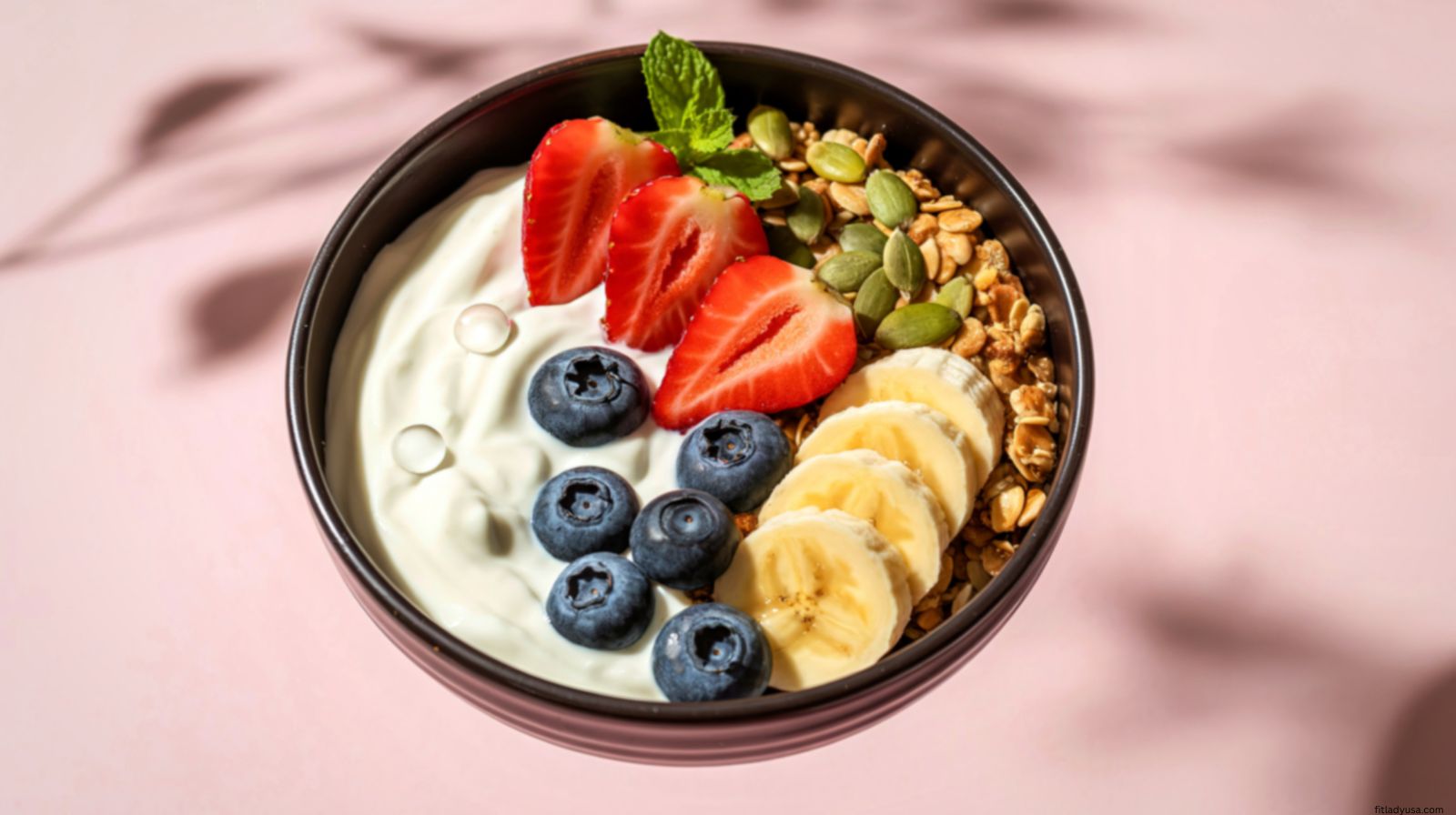
1. Greek Yogurt Berry Protein Bowl
Calories: ~280
Protein: 22–25g
-
¾ cup nonfat Greek yogurt
-
½ cup mixed berries
-
1 tbsp chia seeds
-
Cinnamon (optional)
Why it works:
High protein and fiber = long-lasting fullness.
Greek yogurt is one of the best weight-loss breakfast foods because it’s low calorie but very satisfying.
Pro tip: Use plain yogurt to avoid added sugar.
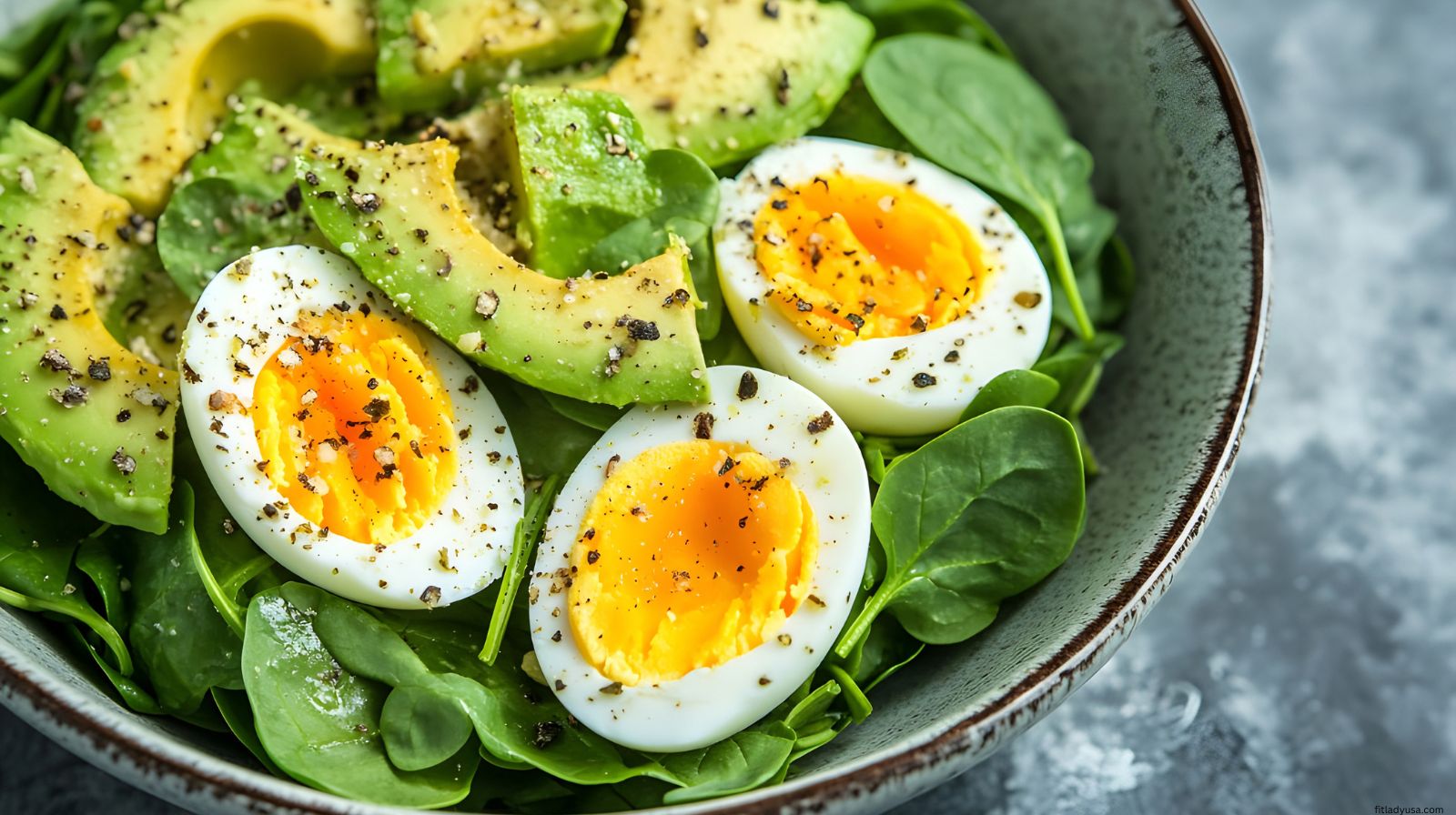
2. Egg & Spinach Breakfast Wrap
Calories: ~295
Protein: 20g
-
1 whole egg
-
2 egg whites
-
Handful spinach
-
1 low-carb tortilla
-
Salsa
Why it works:
Egg whites boost protein without increasing calories.
Spinach adds volume without adding meaningful calories.
Perfect for meal prep.
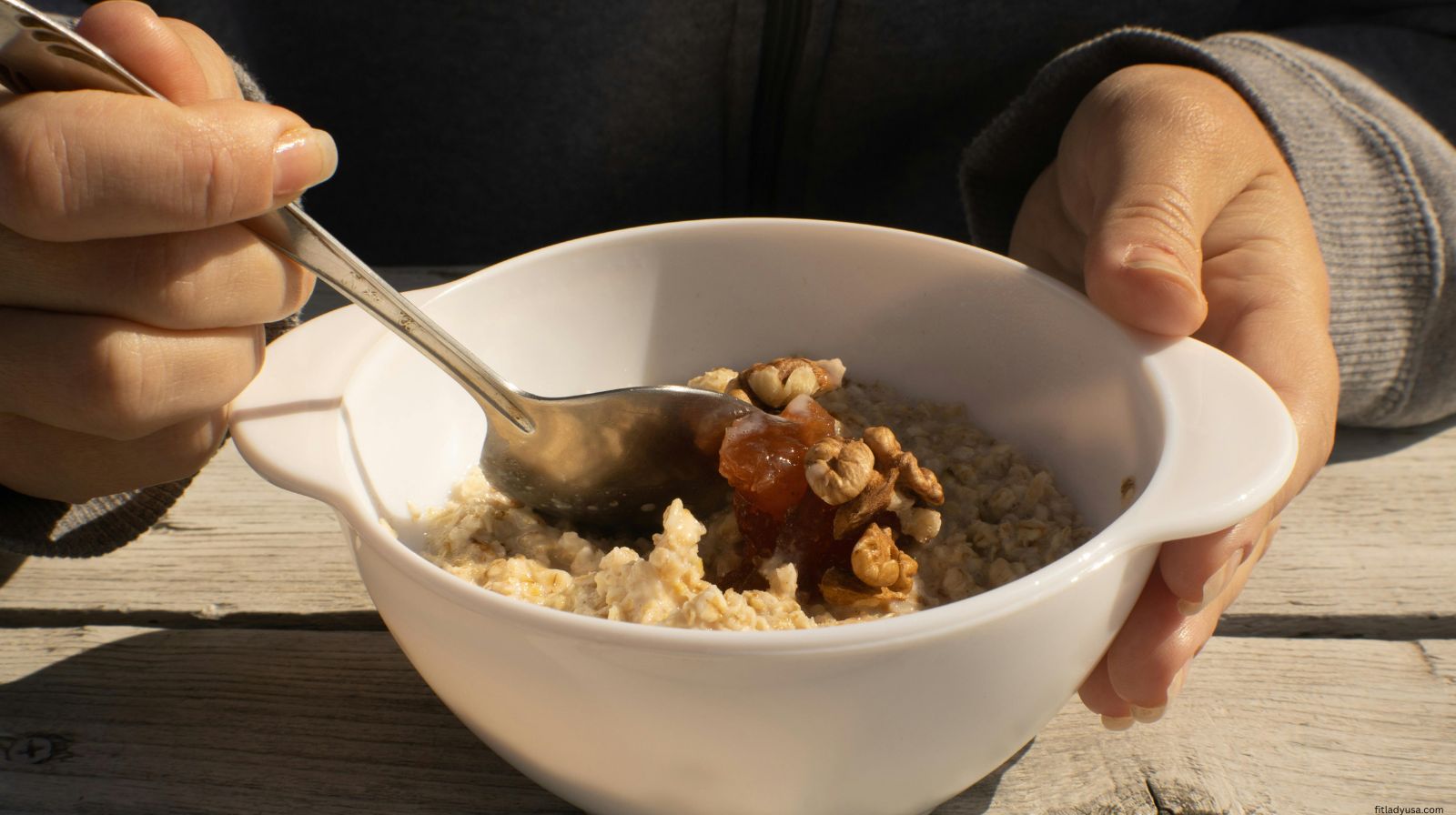
3. Protein Oatmeal
Calories: ~290
Protein: 20–24g
-
½ cup rolled oats
-
1 scoop vanilla protein powder
-
½ banana
-
Almond milk
Why it works:
Oats provide fiber; protein powder increases satiety.
This prevents mid-morning cravings.

4. Cottage Cheese & Pineapple Bowl
Calories: ~260
Protein: 24g
-
1 cup low-fat cottage cheese
-
½ cup pineapple
Why it works:
Cottage cheese is extremely high in protein for the calories.
This combo is refreshing and fast.
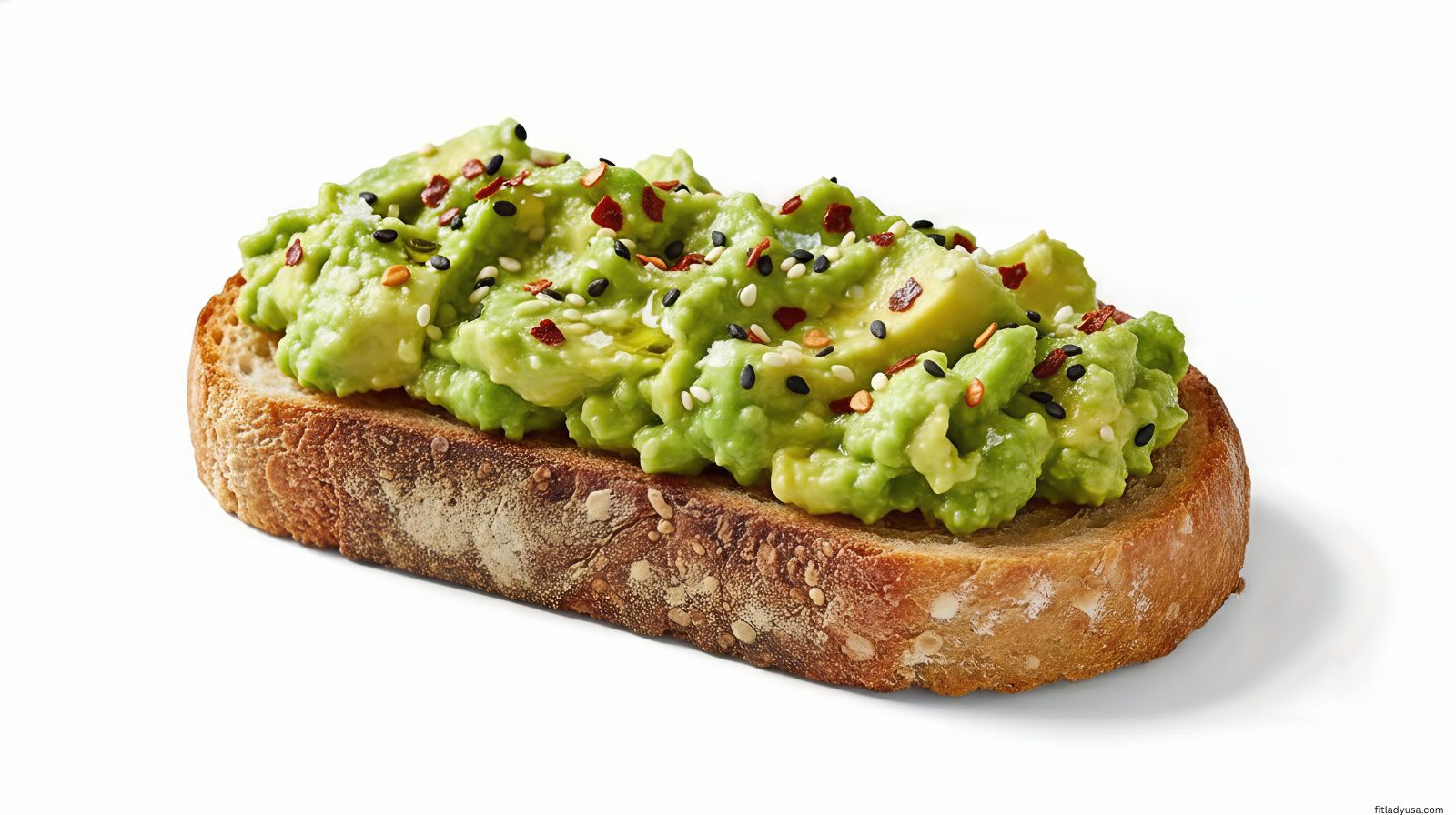
5. Avocado Toast (Light Version)
Calories: ~290
Protein: 12–15g
-
1 slice whole-grain bread
-
¼ avocado
-
1 fried or poached egg
-
Chili flakes
Why it works:
Healthy fats and protein equal appetite control.
Portion control is key here.
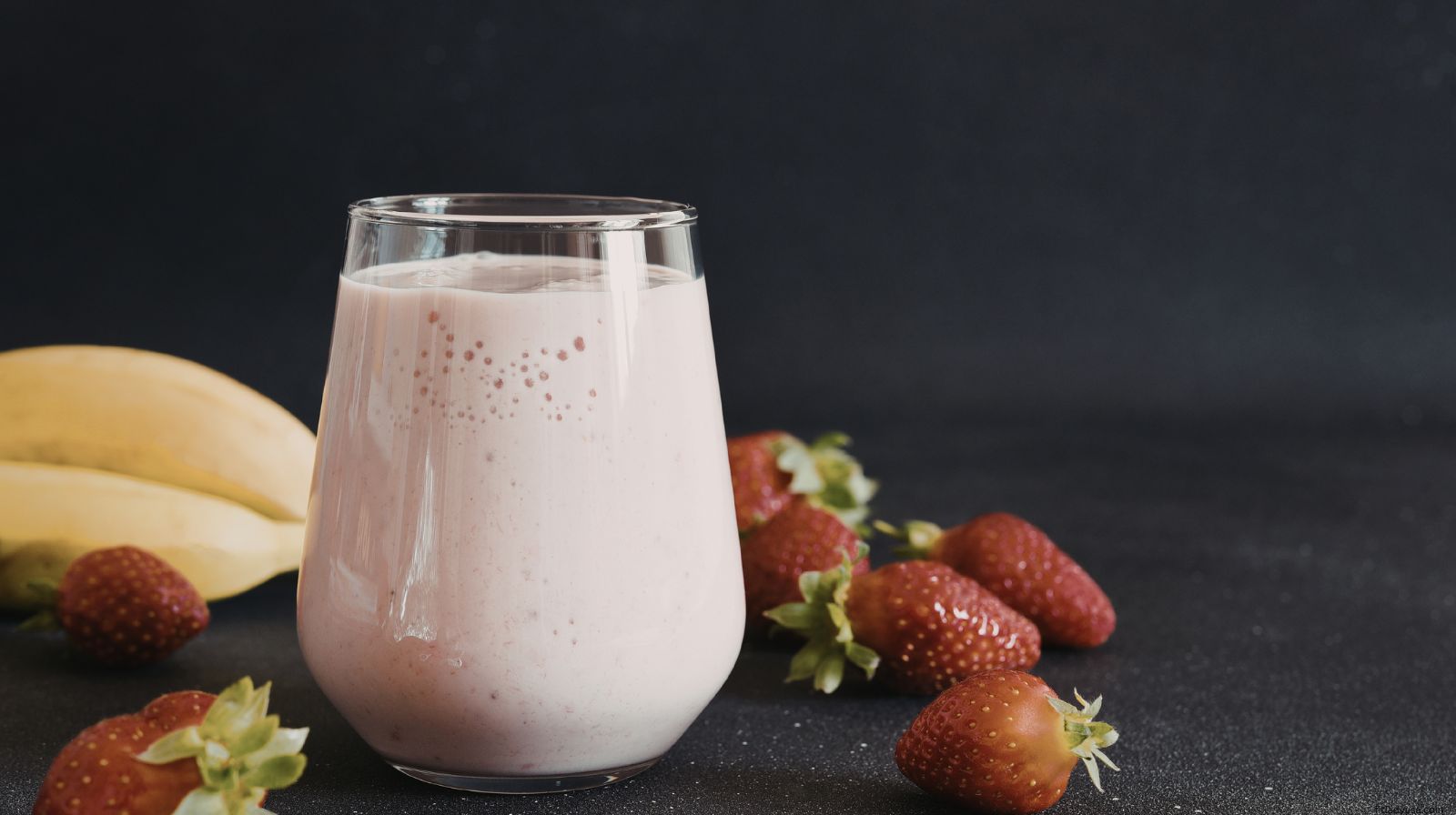
6. Strawberry Protein Smoothie
Calories: ~250
Protein: 20–25g
-
1 scoop protein powder
-
1 cup unsweetened almond milk
-
½ cup frozen strawberries
-
Ice
Why it works:
Quick, portable, and low calorie.
Ideal for busy American mornings.
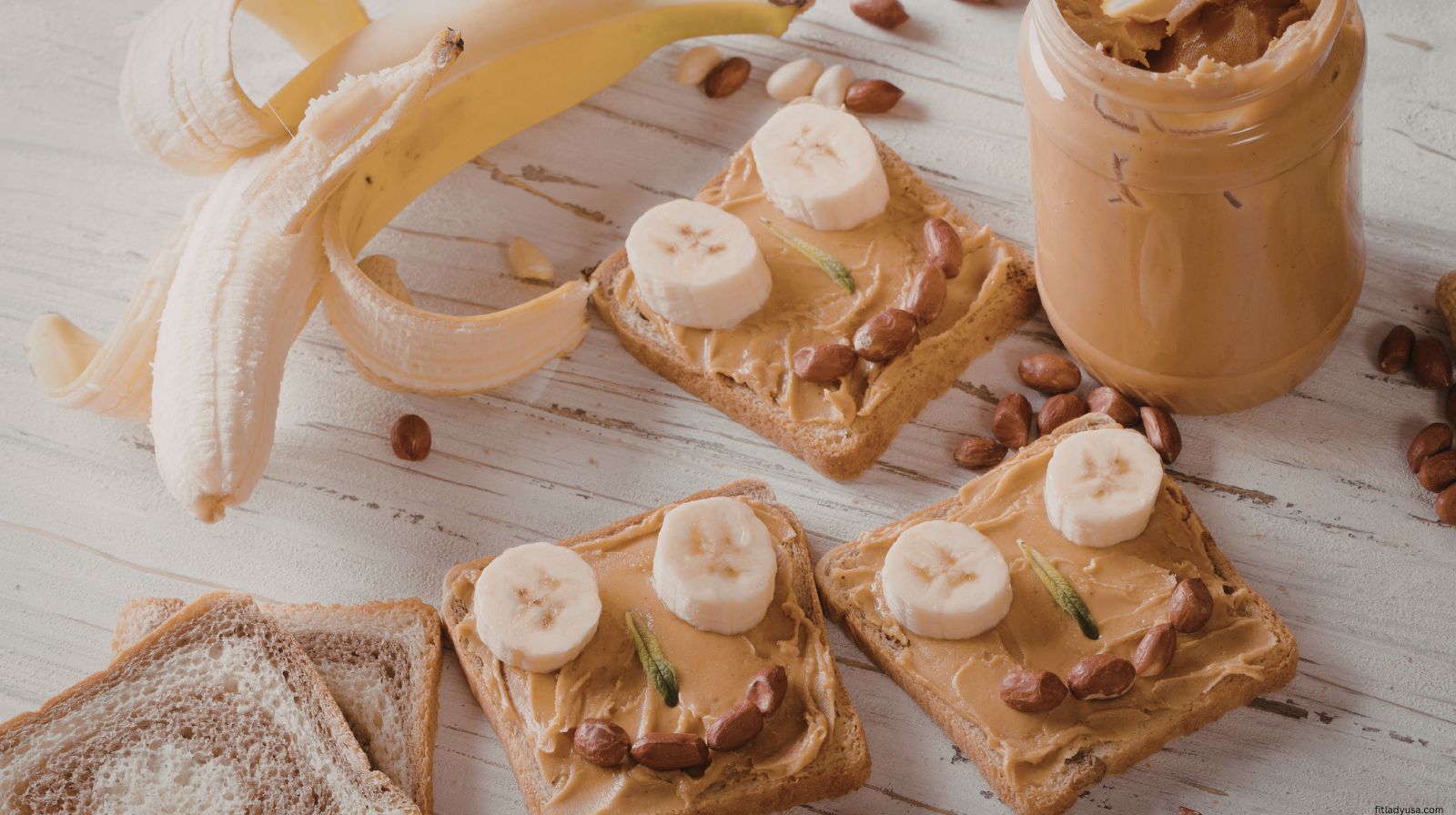
7. Peanut Butter Banana Toast (Portion-Controlled)
Calories: ~300
Protein: 10–12g
-
1 slice whole-grain bread
-
1 tbsp natural peanut butter
-
½ banana
Why it works:
Craving something sweet? This keeps portions controlled while satisfying.
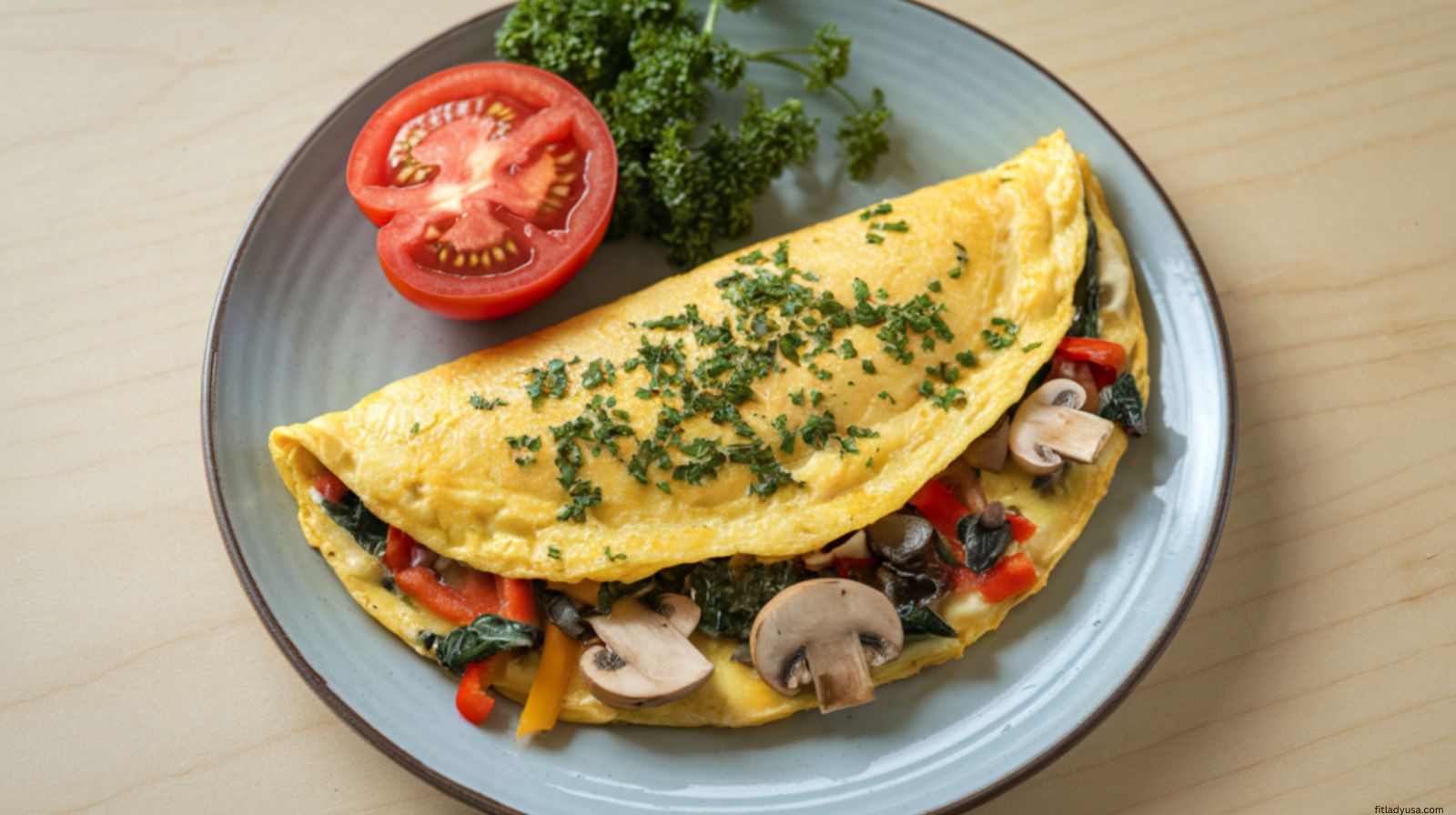
8. Veggie Omelet Plate
Calories: ~270
Protein: 22g
-
2 eggs
-
Mushrooms
-
Bell peppers
-
Onions
-
Cooking spray
Why it works:
Vegetables add volume with minimal calories.
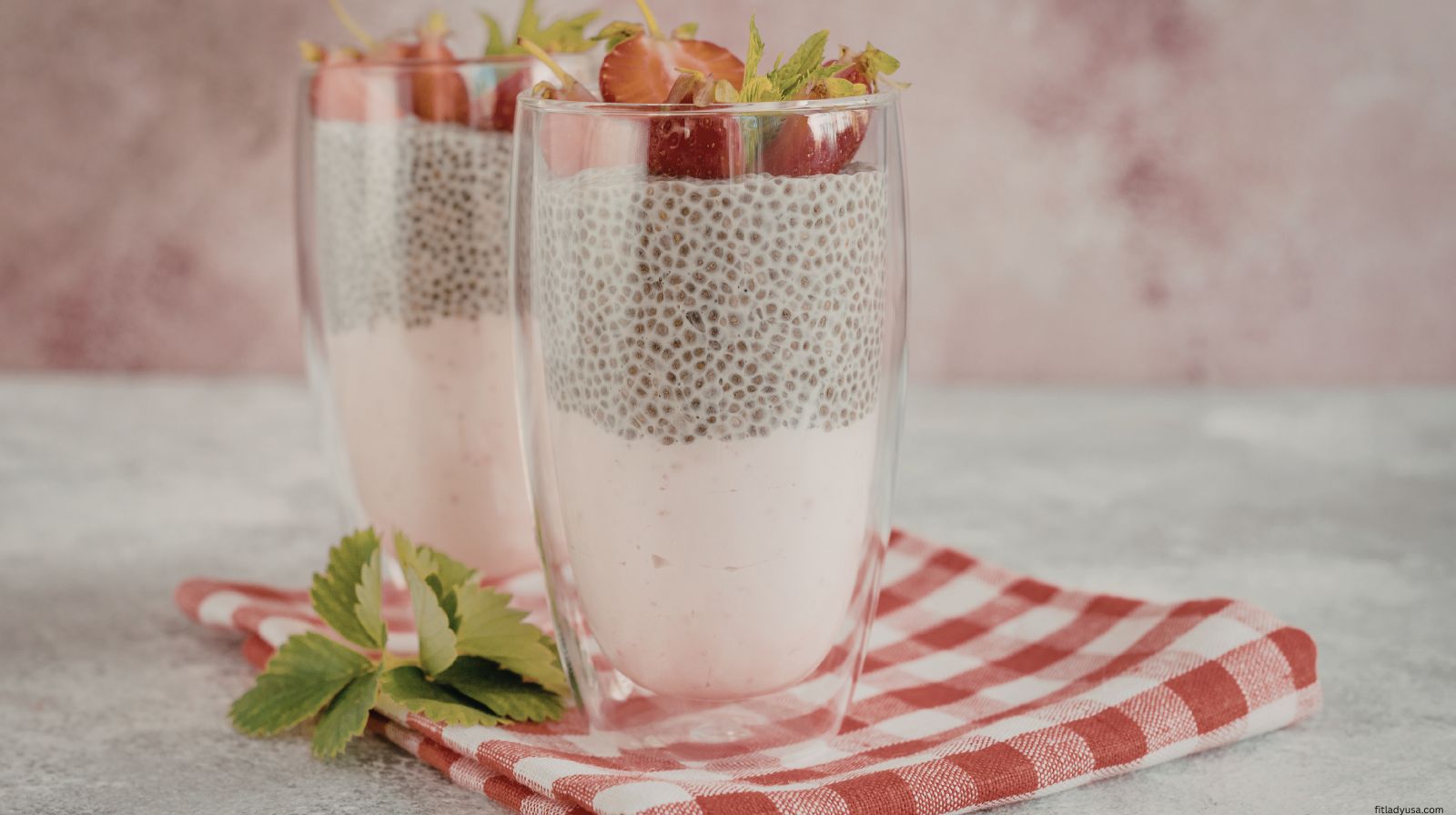
9. Chia Seed Pudding
Calories: ~280
Protein: 12–15g
-
2 tbsp chia seeds
-
1 cup unsweetened almond milk
-
Stevia or cinnamon
Why it works:
High fiber = fullness.
Make overnight for convenience.

10. Turkey & Egg Muffins (Meal Prep Friendly)
Calories: ~290 (2 muffins)
Protein: 24g
-
Lean ground turkey
-
Egg
-
Spinach
-
Baked in muffin tin
Why it works:
High protein + portable = perfect for busy women.
10 Sweet Low-Calorie Breakfast Ideas Under 300 Calories
These are perfect if you wake up craving something sweet — but still want to stay in a calorie deficit.
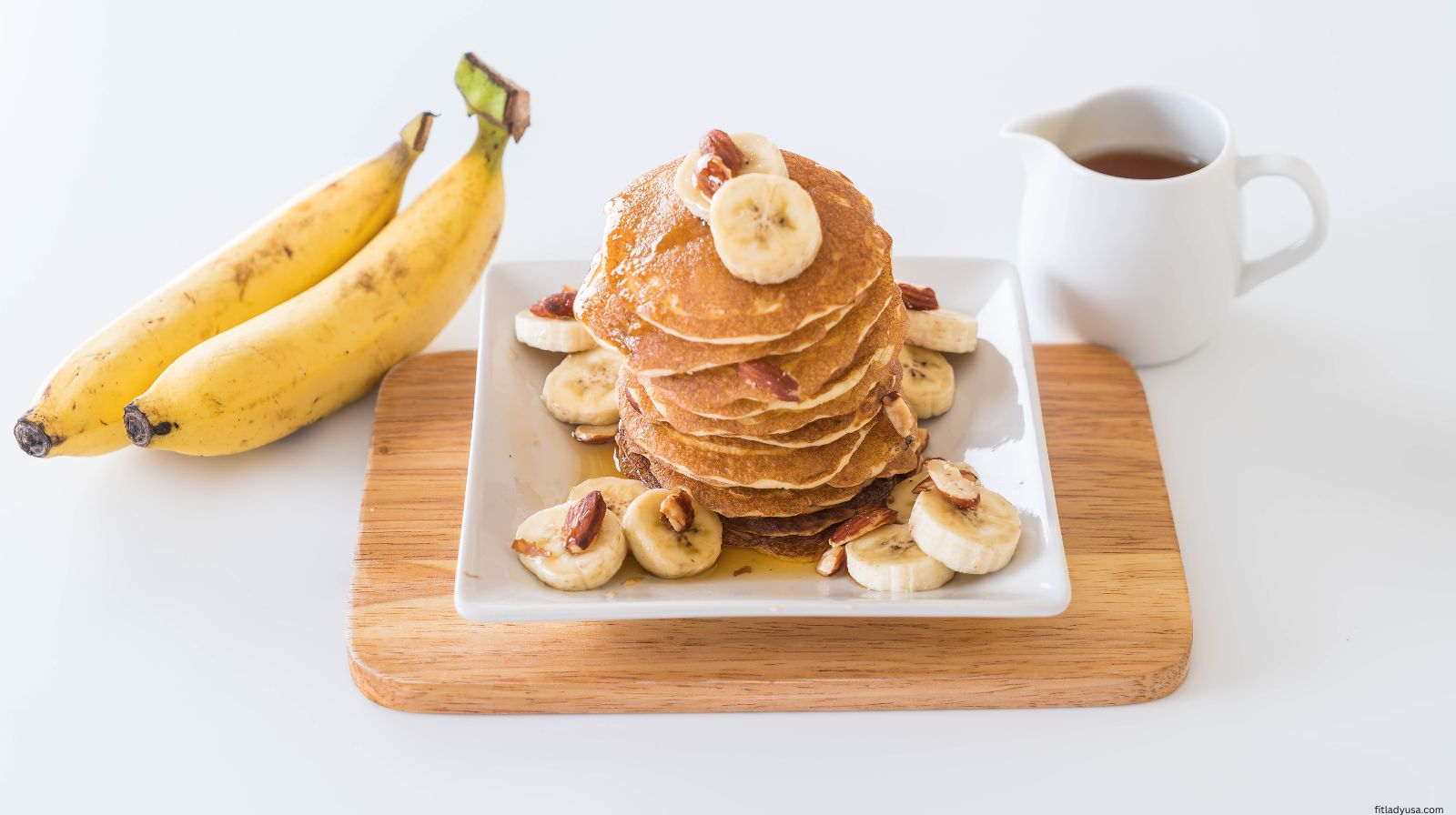 11. Protein Pancakes (Light Version)
Calories: ~290 (3 small pancakes)
Protein: 22g
-
½ cup oat flour
-
1 scoop vanilla protein powder
-
1 egg white
-
Splash almond milk
-
Sugar-free syrup (light drizzle)
Why it works:
You still get pancakes — but with protein support instead of a sugar crash.
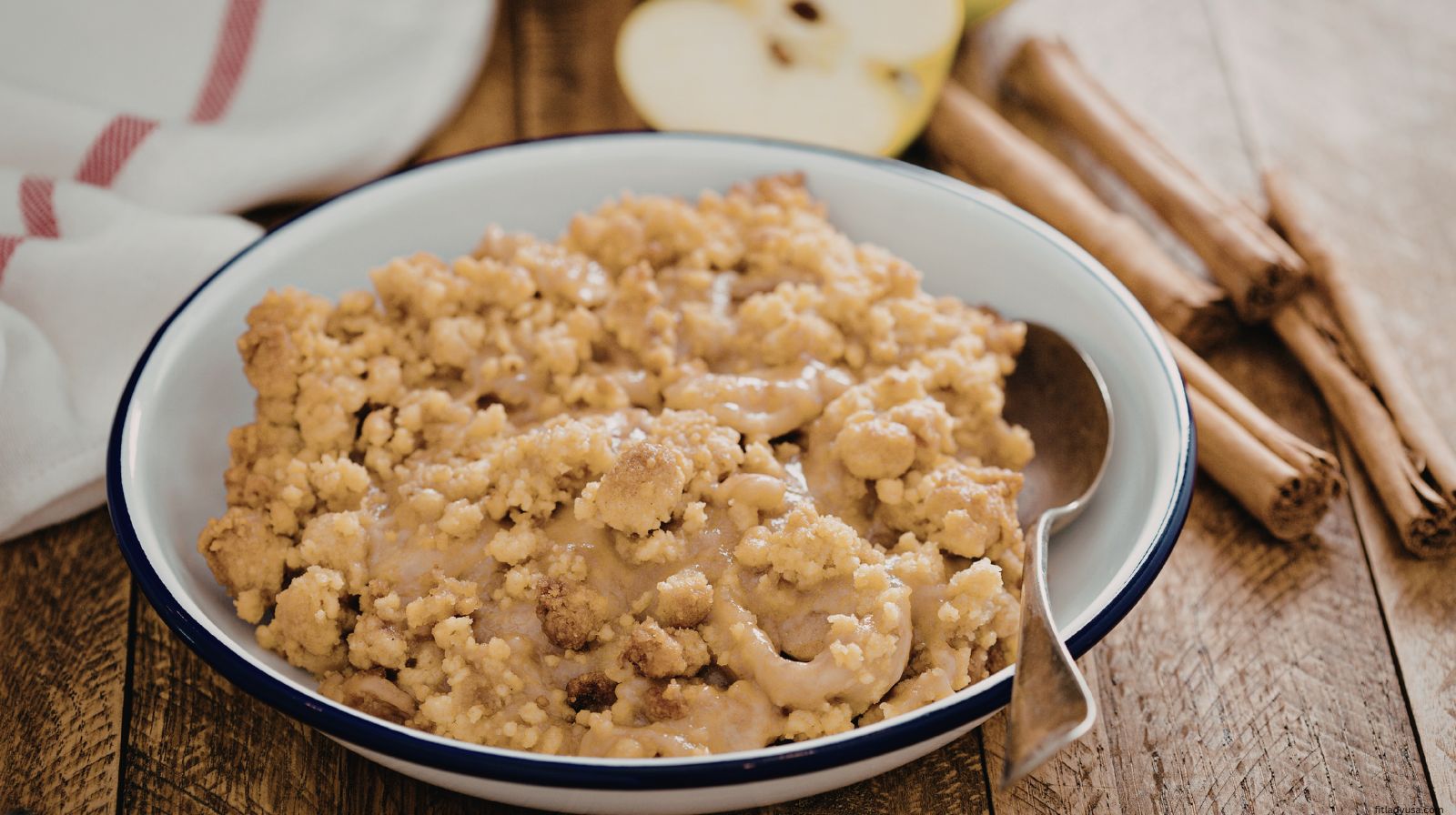
12. Apple Cinnamon Oat Bowl
Calories: ~275
Protein: 12–15g
-
½ cup oats
-
½ chopped apple
-
Cinnamon
-
1 tbsp almond butter
Why it works:
Fiber from oats + apple keeps you full longer.
Cinnamon helps stabilize blood sugar.
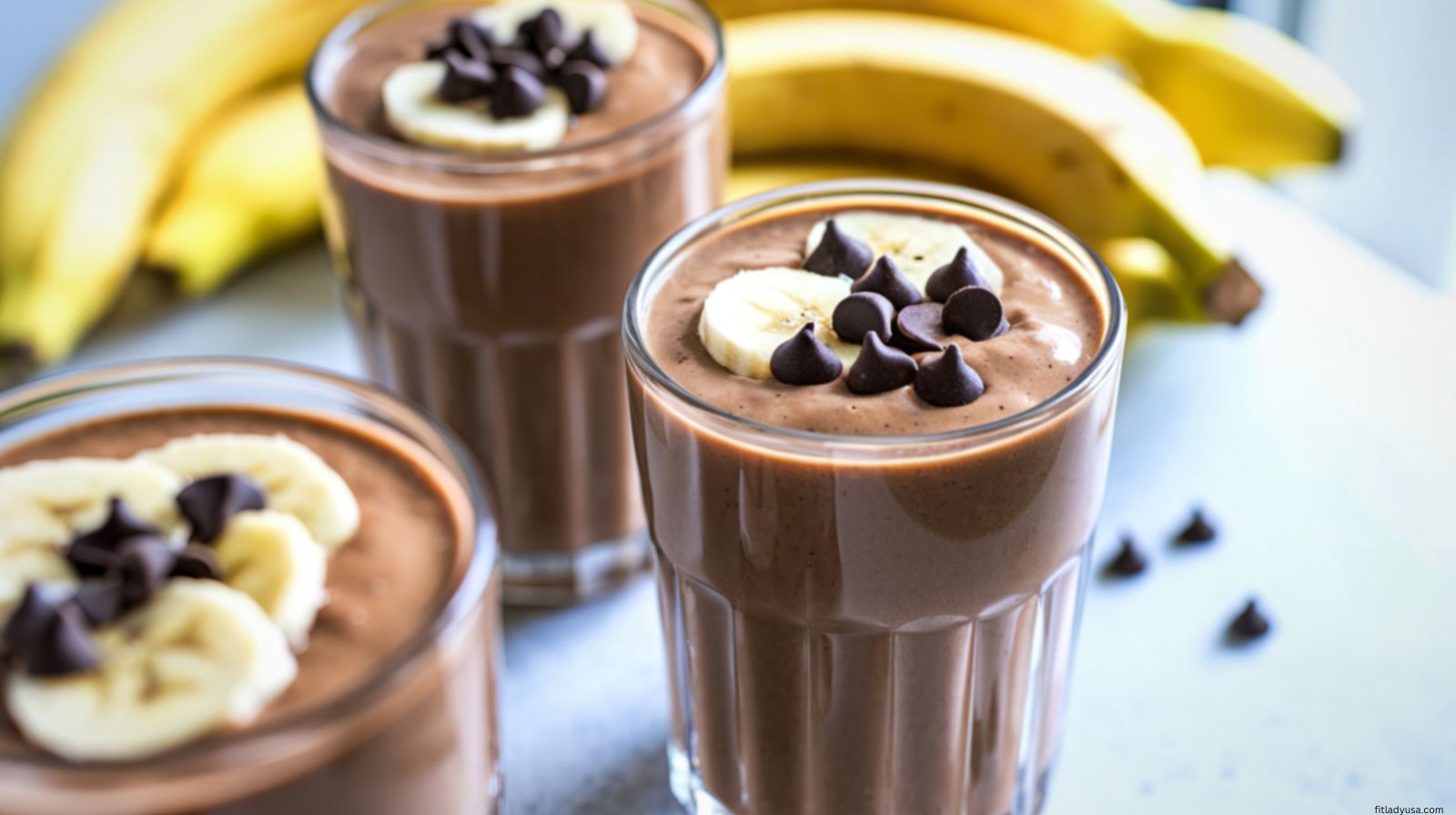
13. Chocolate Protein Smoothie
Calories: ~260
Protein: 20–25g
-
1 scoop chocolate protein
-
1 cup unsweetened almond milk
-
½ frozen banana
-
Ice
Why it works:
Tastes like dessert, supports fat loss.
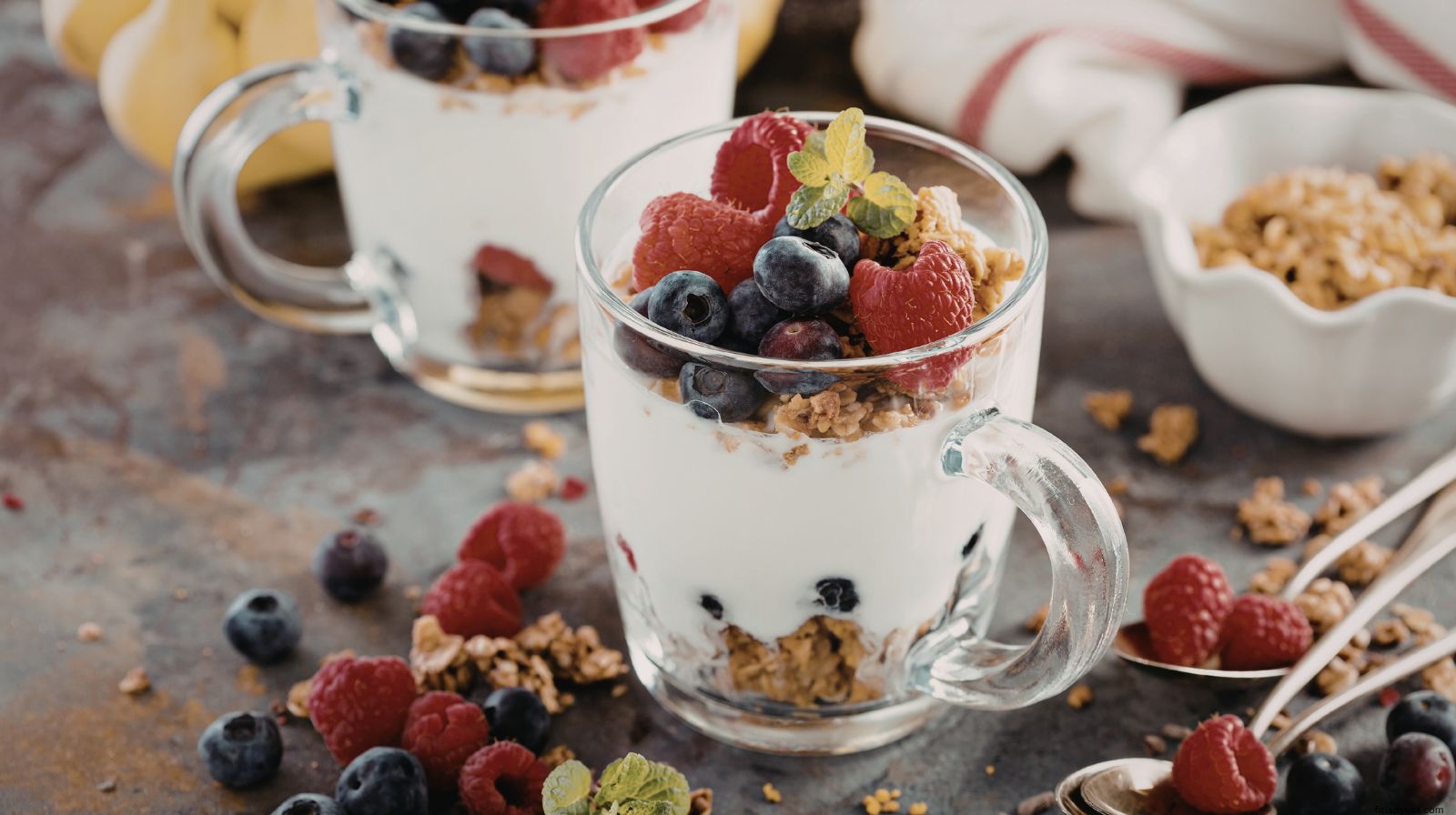
14. High-Protein Yogurt Parfait
Calories: ~300
Protein: 23g
-
¾ cup plain Greek yogurt
-
¼ cup low-sugar granola
-
½ cup strawberries
Why it works:
Crunch + creaminess without calorie overload.
Just keep granola measured.
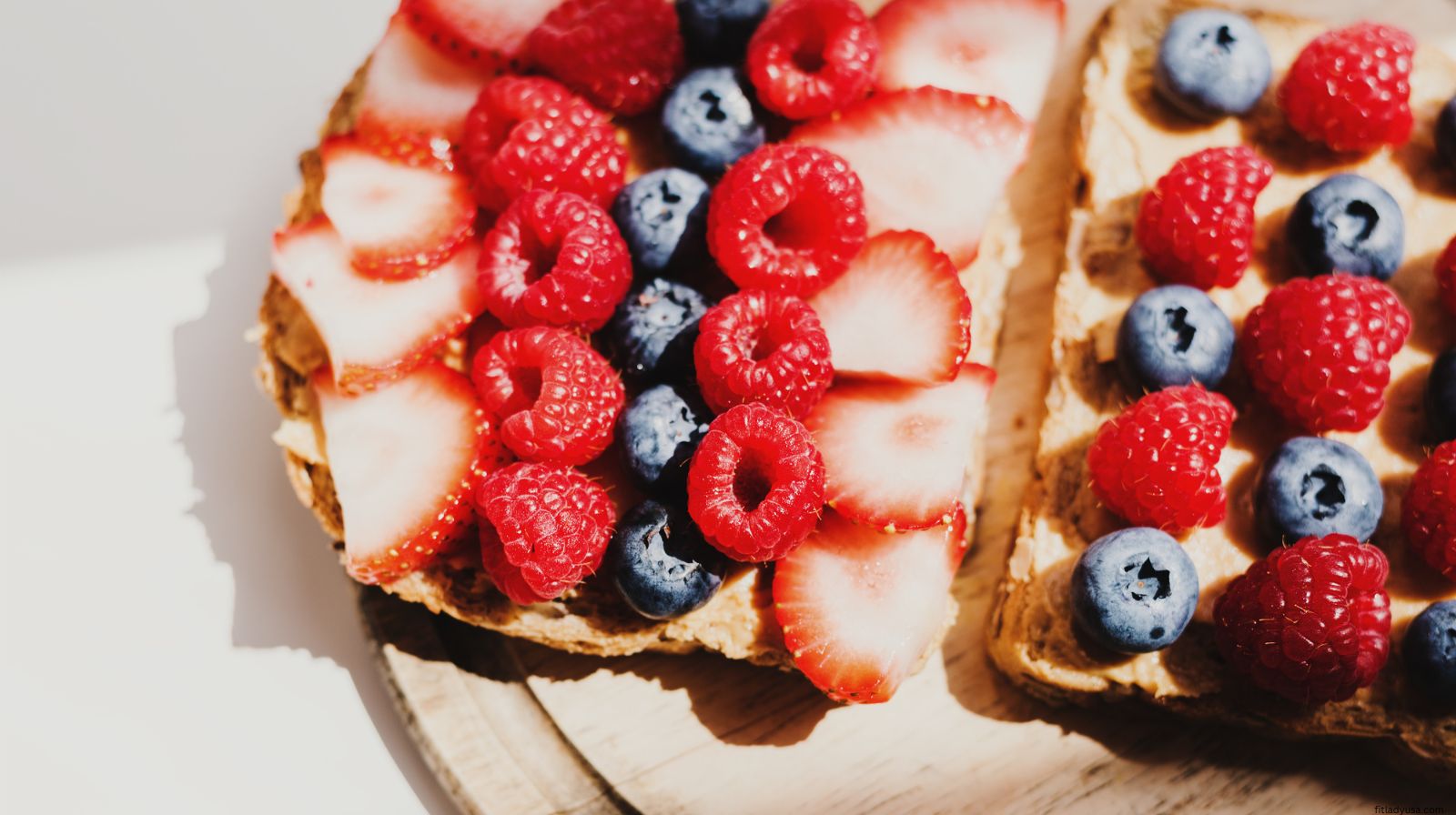
15. Blueberry Cottage Cheese Toast
Calories: ~280
Protein: 20g
-
1 slice whole-grain toast
-
½ cup low-fat cottage cheese
-
Handful blueberries
Why it works:
Protein + fiber combo prevents overeating later.
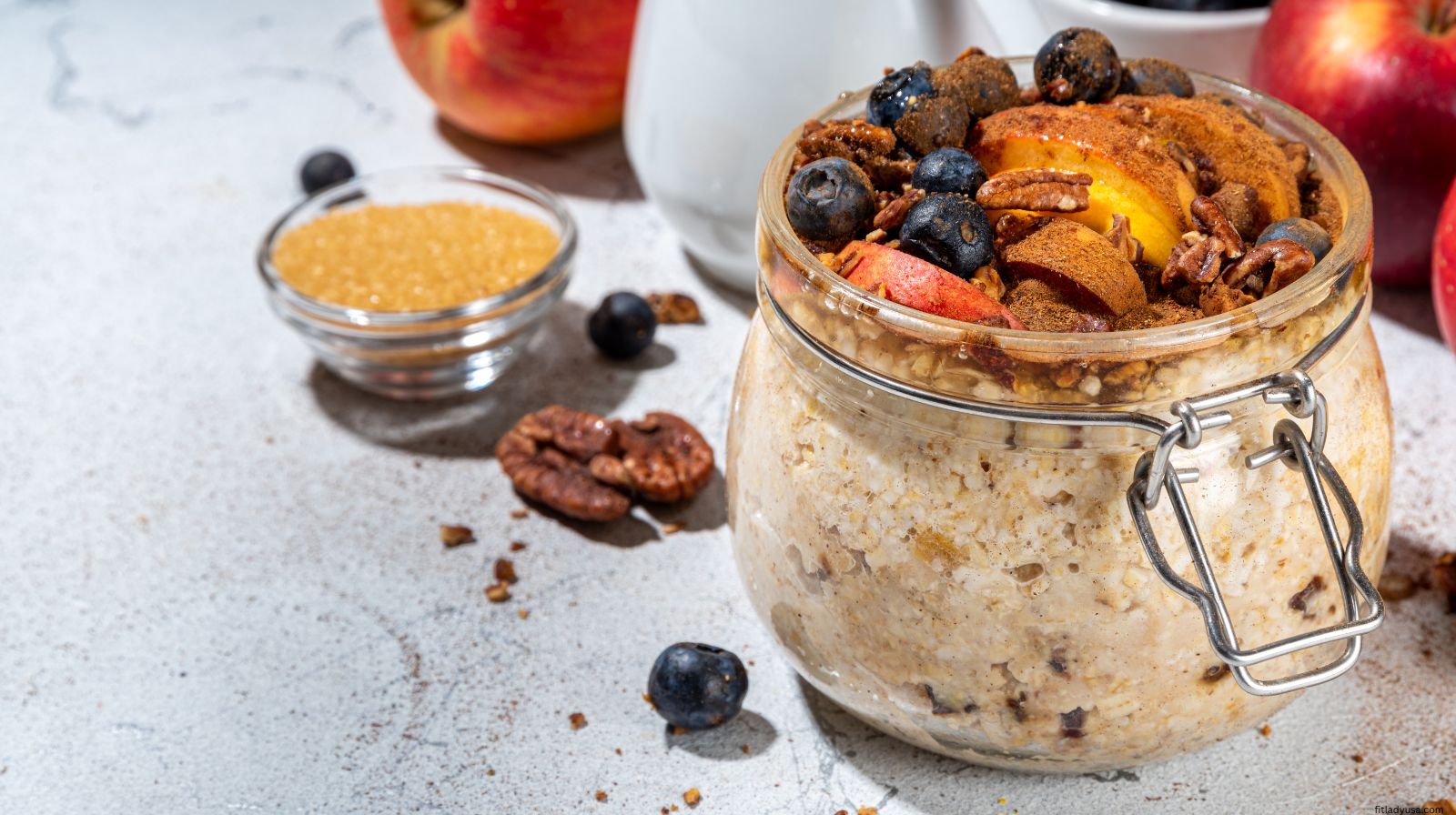
16. Overnight Oats (Light Version)
Calories: ~290
Protein: 18–22g
-
½ cup oats
-
½ scoop protein powder
-
½ cup almond milk
-
½ tbsp peanut butter
Why it works:
Make ahead = zero morning stress.
Balanced macros = steady energy.
17. Banana Egg Pancakes (2-Ingredient Base)
Calories: ~250
Protein: 14g
-
1 small banana
-
2 eggs
Blend and cook like pancakes.
Why it works:
Naturally sweet, simple ingredients, filling.
18. Berry Almond Smoothie Bowl
Calories: ~295
Protein: 18–20g
-
1 scoop protein
-
½ cup berries
-
1 tbsp sliced almonds
-
Almond milk
Why it works:
Feels indulgent, stays within budget.
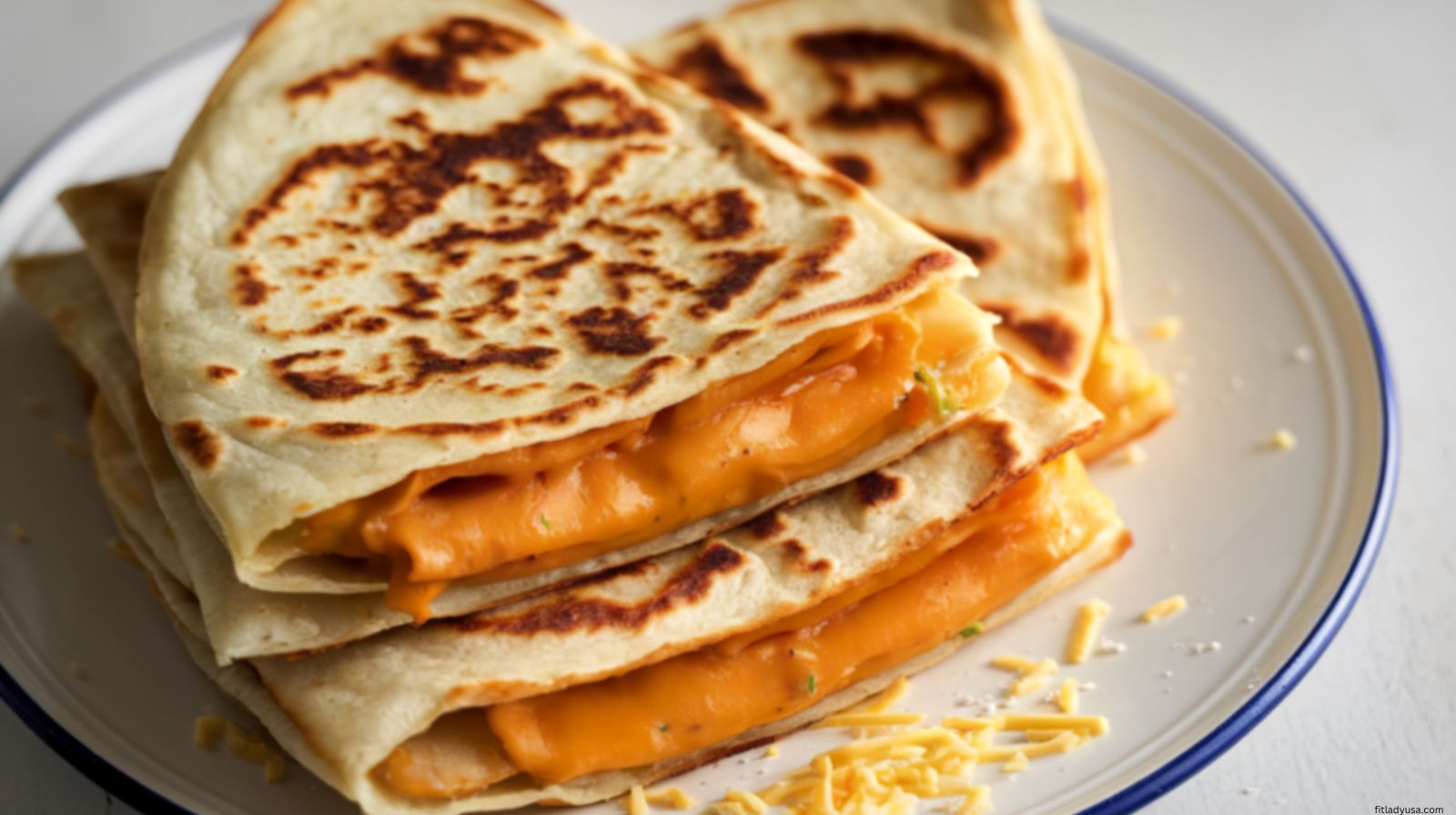
19. Light Breakfast Quesadilla (Sweet Twist)
Calories: ~300
Protein: 18g
-
1 small whole-wheat tortilla
-
½ cup ricotta or cottage cheese
-
Cinnamon + stevia
Why it works:
High-protein creamy center — low calorie.
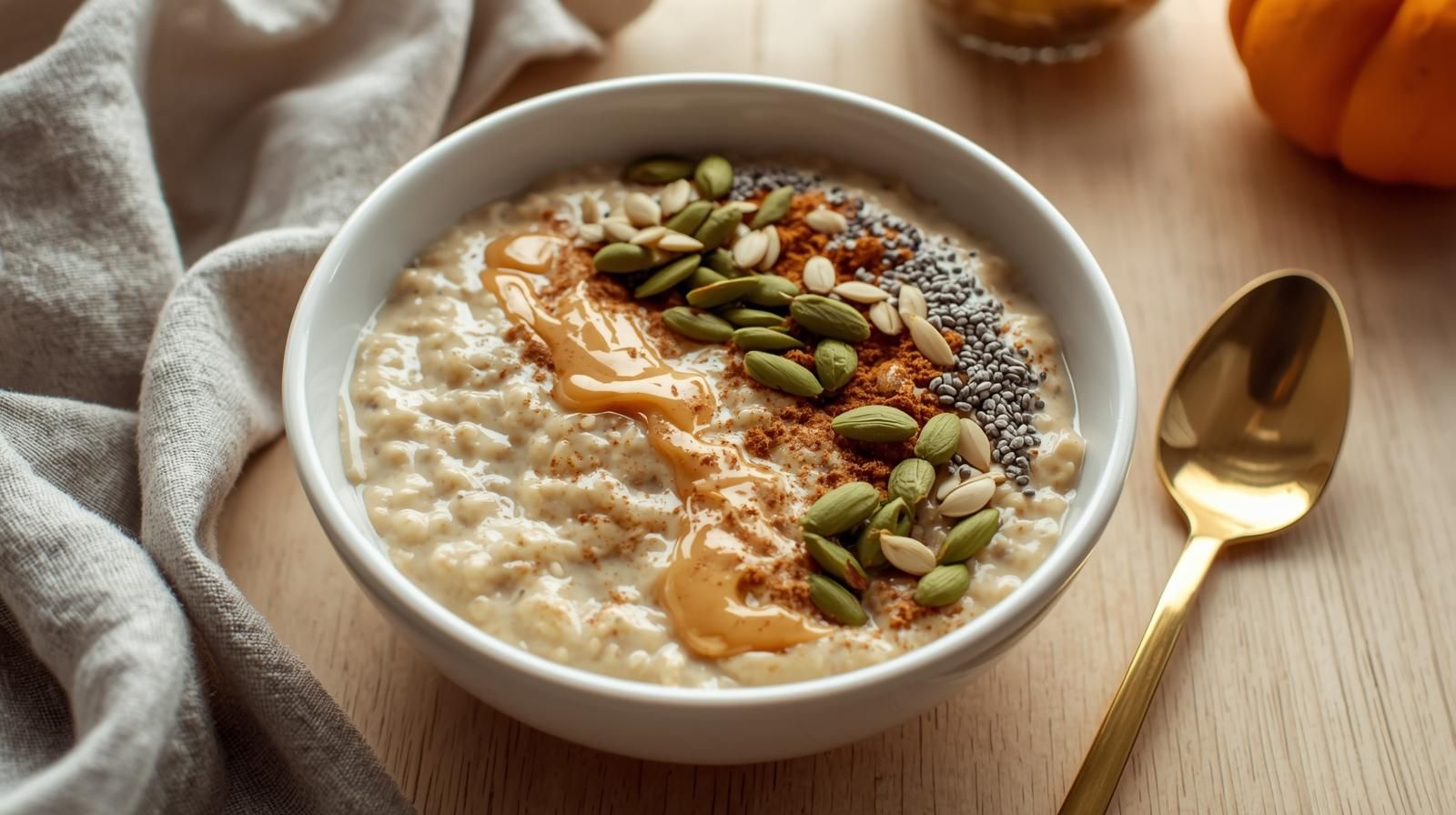
20. Pumpkin Spice Protein Oats
Calories: ~285
Protein: 20g
-
½ cup oats
-
¼ cup pumpkin puree
-
½ scoop vanilla protein
-
Pumpkin spice
Why it works:
Seasonal, comforting, fat-loss friendly.
10 Savory Low-Calorie Breakfast Ideas Under 300 Calories
These options are perfect if you prefer salty breakfasts, higher protein, or lower carb choices.
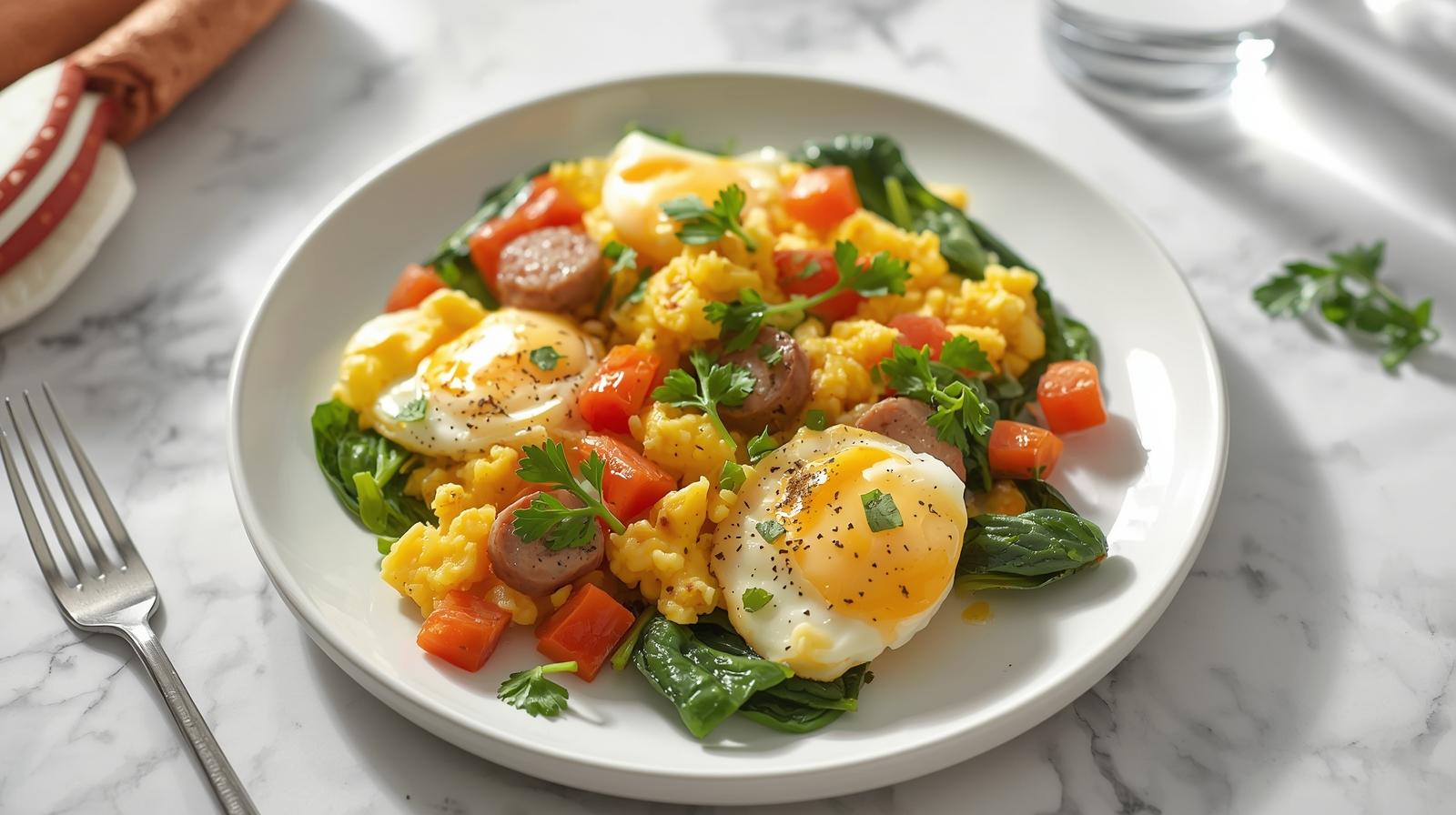
21. Egg White & Turkey Sausage Scramble
Calories: ~280
Protein: 26g
-
3 egg whites
-
1 lean turkey sausage link
-
Spinach + peppers
-
Cooking spray
Why it works:
High protein, low fat, very filling.
Great for women focused on fat loss + muscle tone.

22. Avocado Egg White Toast
Calories: ~295
Protein: 18–20g
-
1 slice whole-grain toast
-
¼ avocado
-
3 egg whites
Why it works:
Healthy fats + lean protein = balanced hunger control.
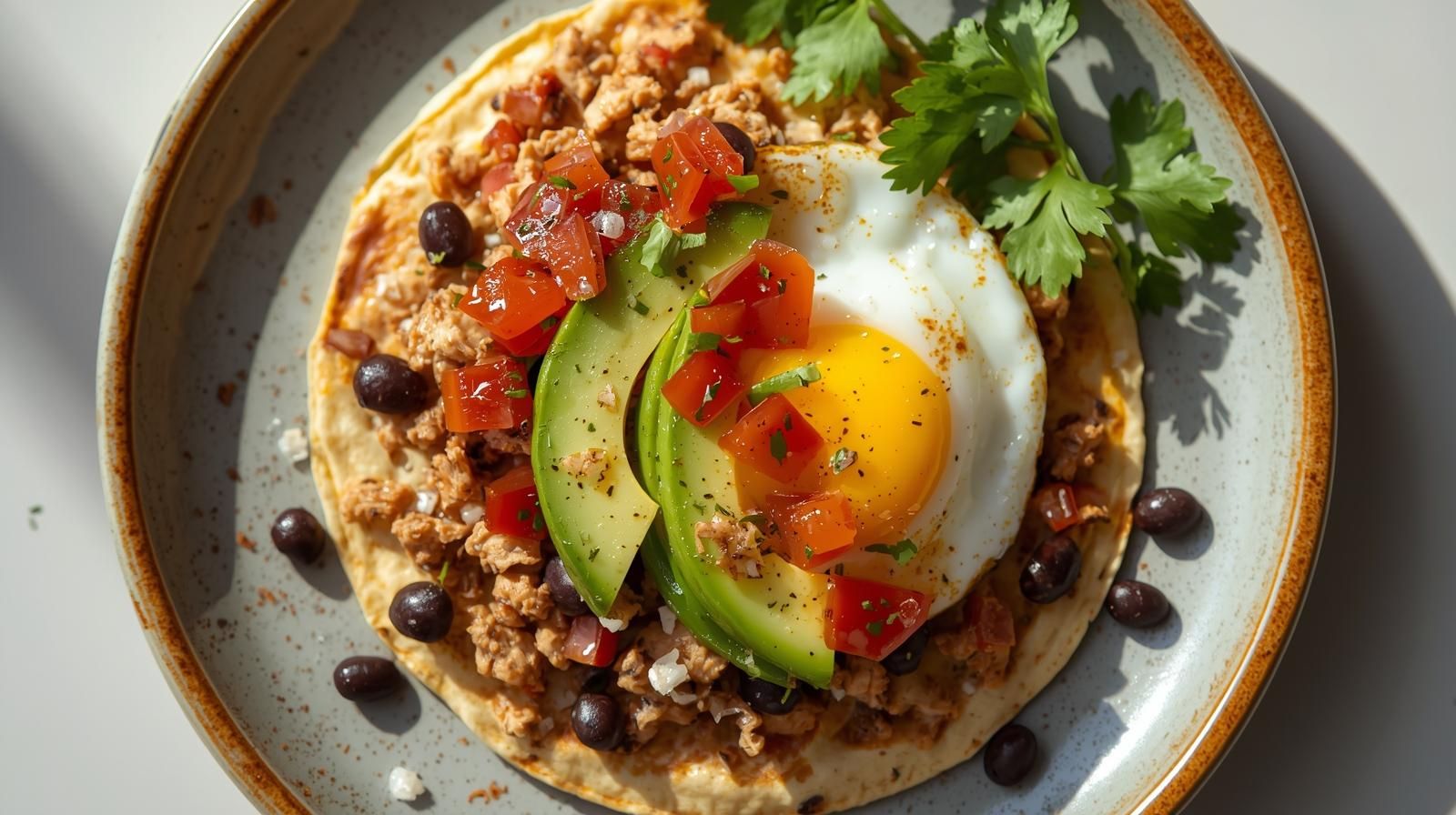
23. Breakfast Burrito Bowl (Low-Carb)
Calories: ~300
Protein: 25g
-
2 eggs
-
¼ cup black beans
-
Salsa
-
Spinach
-
1 tbsp shredded cheese
Why it works:
Mexican-style flavor without tortilla calories.

24. Smoked Salmon & Light Cream Cheese Toast
Calories: ~290
Protein: 20g
-
1 slice whole-grain bread
-
1 tbsp light cream cheese
-
2 oz smoked salmon
Why it works:
Protein-rich and satisfying without going overboard.
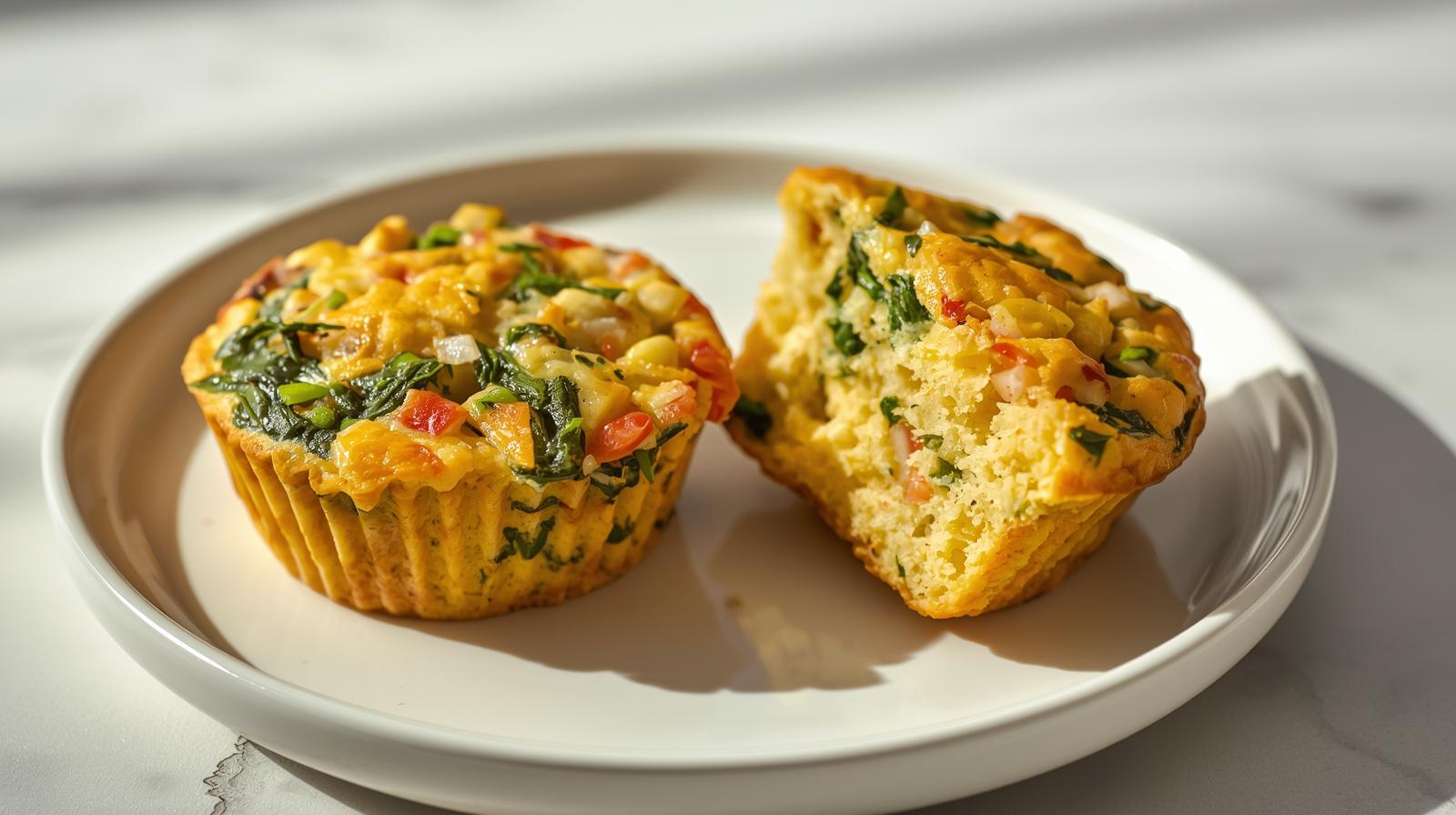
25. Breakfast Egg Muffins (Veggie Loaded)
Calories: ~260 (2 muffins)
Protein: 22g
-
Eggs
-
Bell peppers
-
Onion
-
Spinach
Bake in muffin tin for meal prep.
Why it works:
Portable, reheatable, perfect for busy mornings.
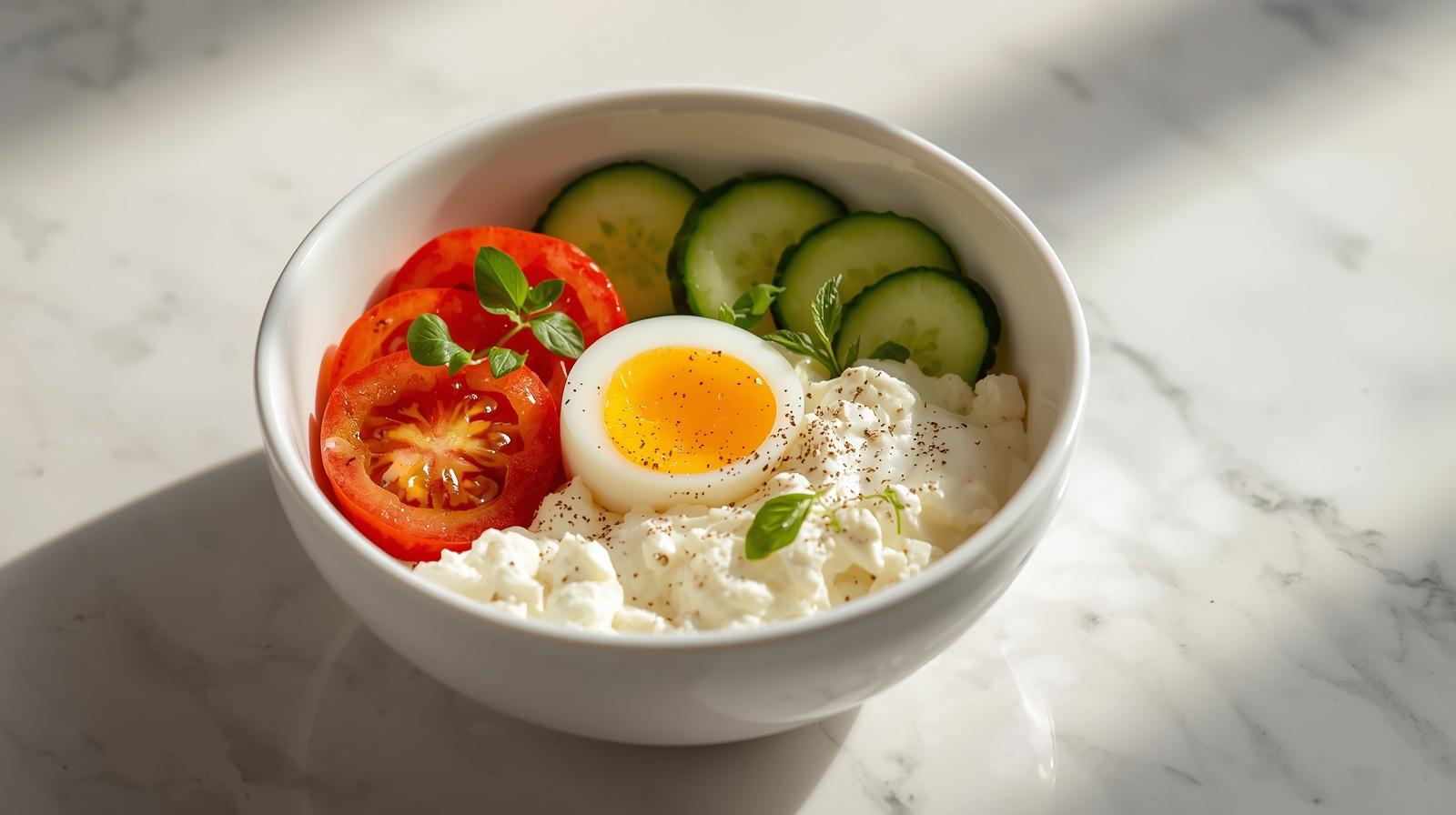
26. High-Protein Breakfast Bowl
Calories: ~300
Protein: 28g
-
¾ cup cottage cheese
-
Cherry tomatoes
-
Cucumber
-
1 boiled egg
Why it works:
Low calorie, high volume, extremely filling.
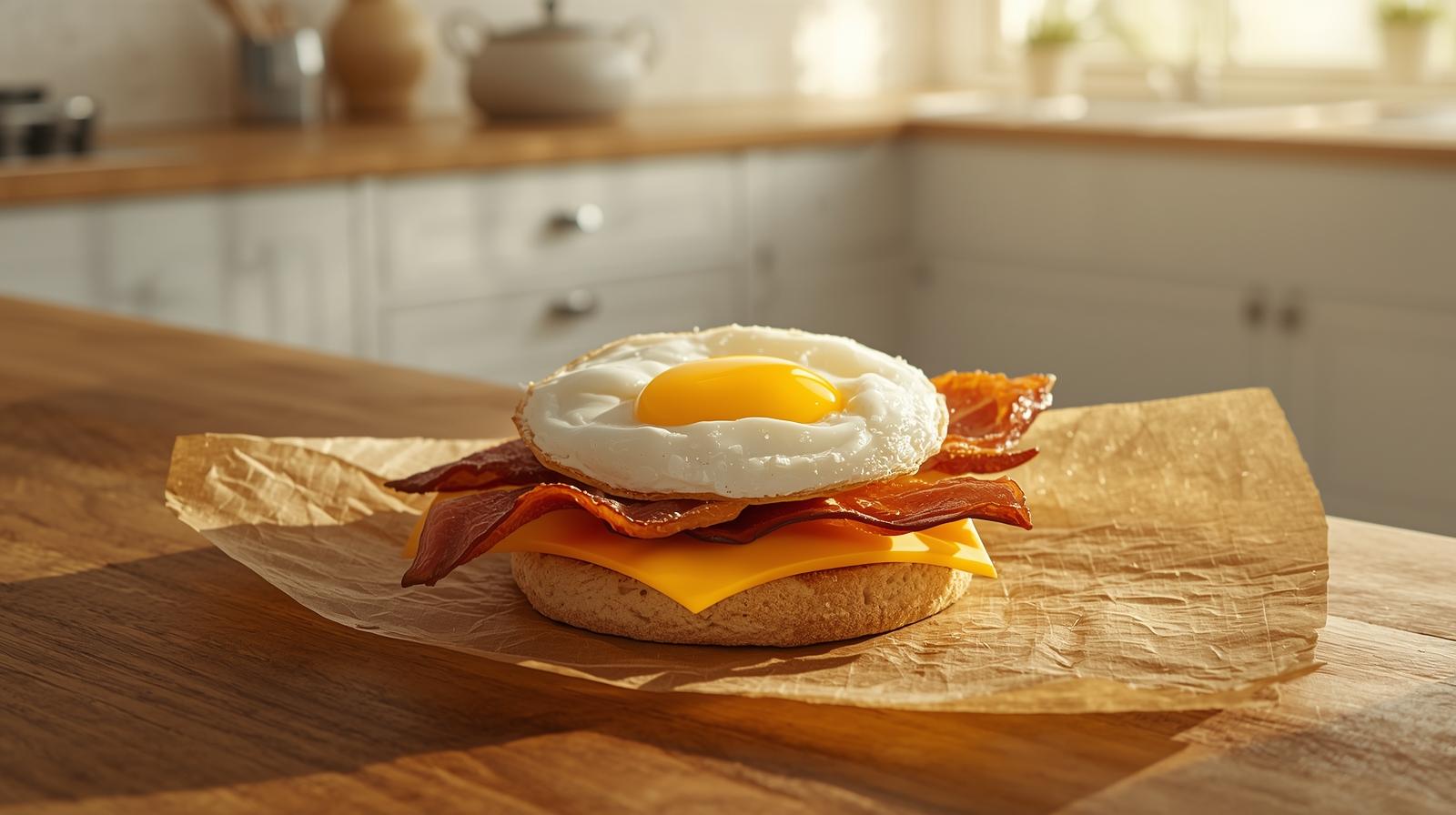
27. Low-Calorie Breakfast Sandwich
Calories: ~290
Protein: 22g
-
Light English muffin
-
1 egg
-
1 slice reduced-fat cheese
-
Turkey bacon
Why it works:
Fast-food style — calorie controlled.
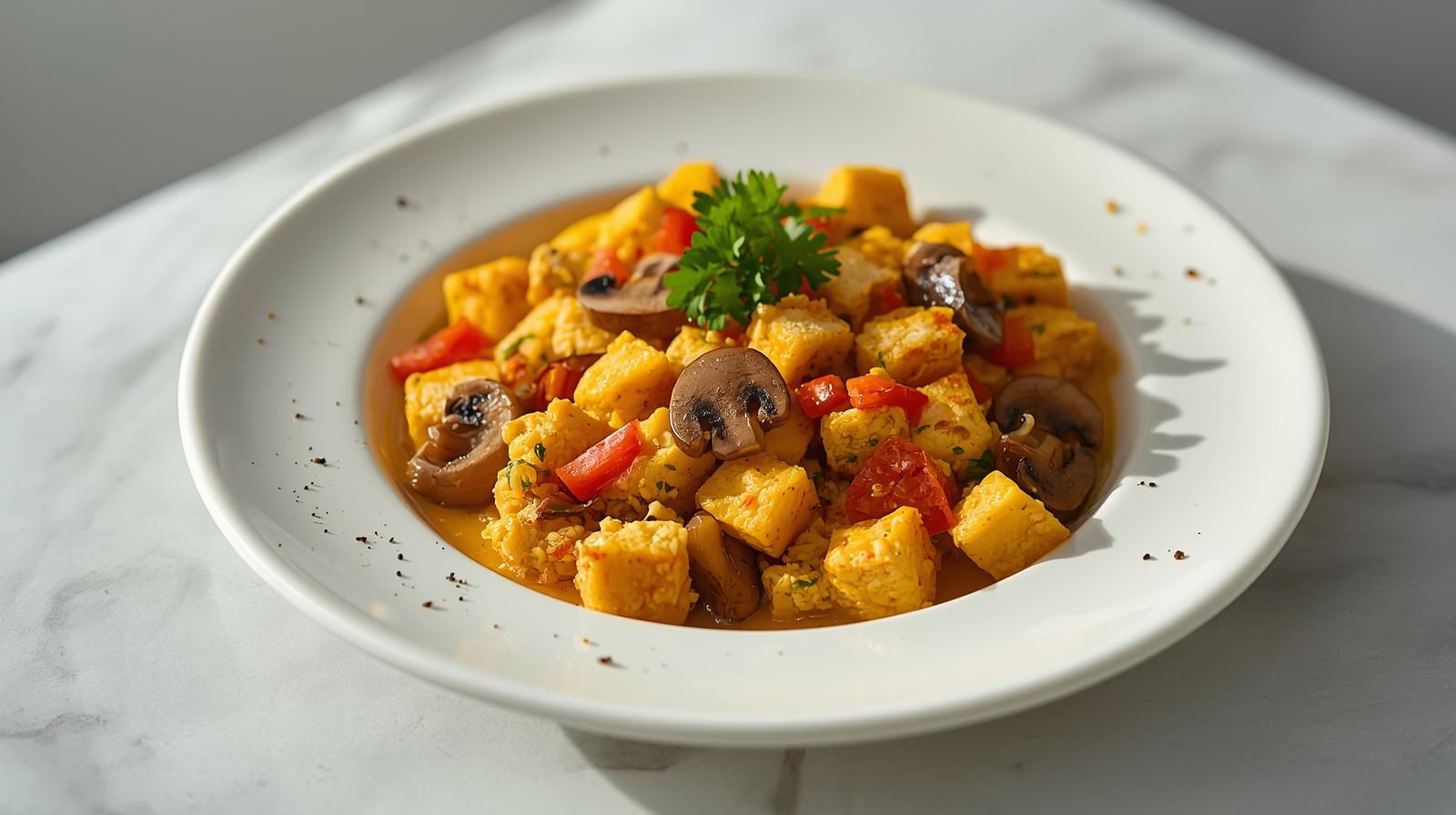
28. Tofu Veggie Scramble
Calories: ~270
Protein: 20g
-
½ cup firm tofu
-
Turmeric
-
Mushrooms
-
Peppers
Why it works:
Plant-based, protein-focused, satisfying.
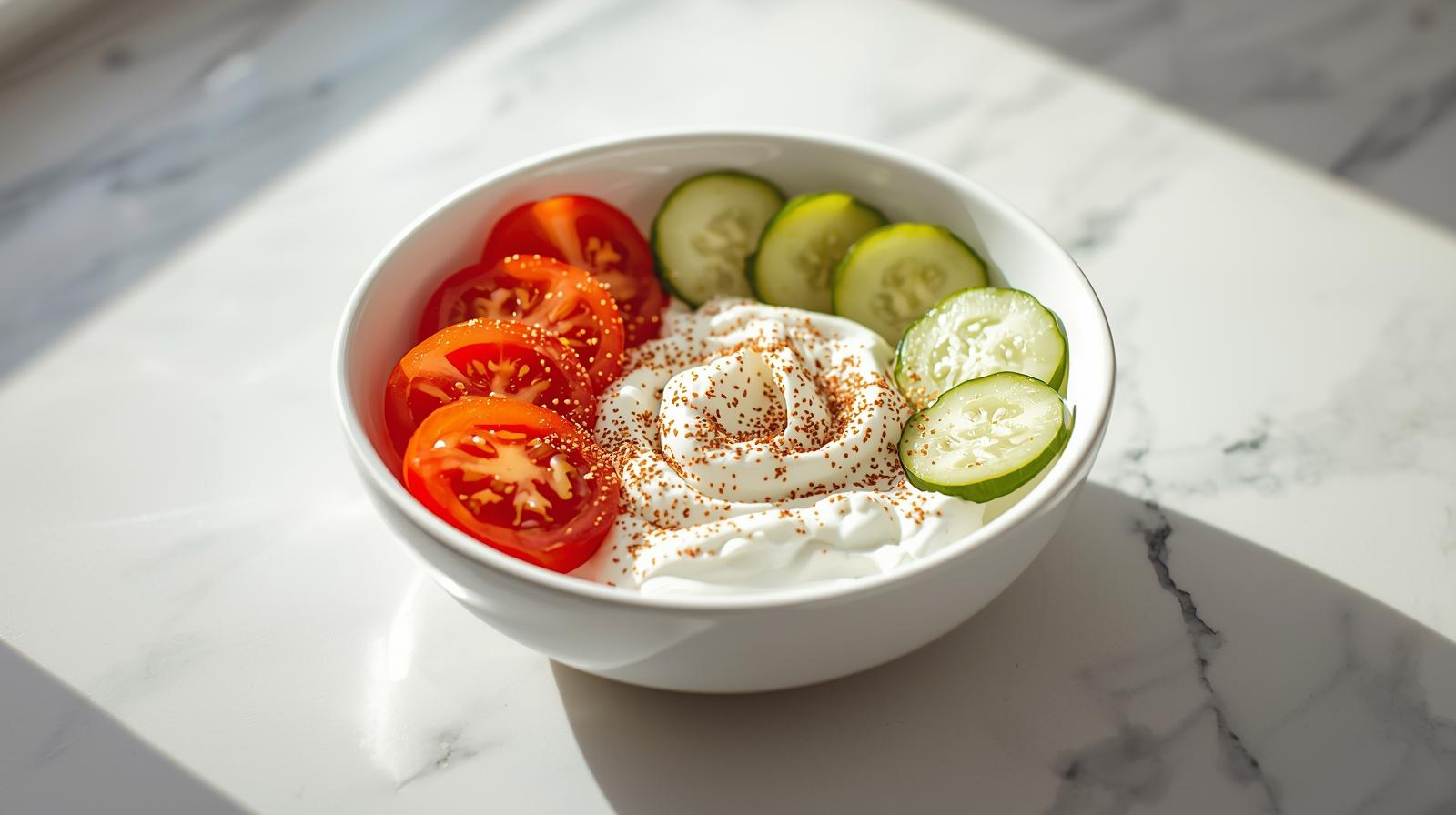
29. Greek Yogurt Savory Bowl
Calories: ~250
Protein: 23g
-
1 cup plain Greek yogurt
-
Cucumber
-
Cherry tomatoes
-
Everything bagel seasoning
Why it works:
Savory twist on yogurt — high protein, low calorie.
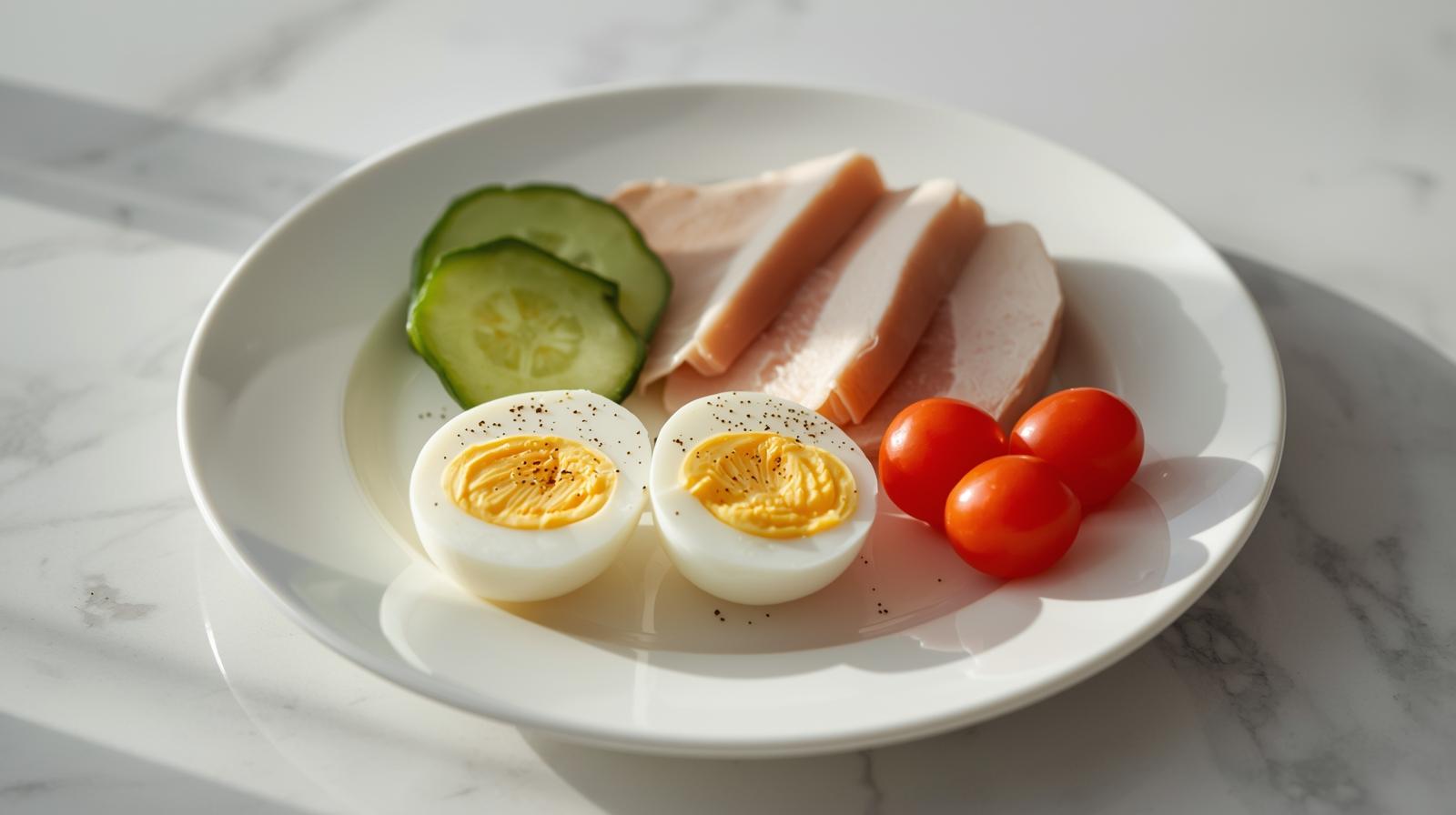
30. Breakfast Protein Plate
Calories: ~300
Protein: 30g
-
2 boiled eggs
-
2 slices turkey breast
-
Sliced cucumber
-
Cherry tomatoes
Why it works:
Simple, no cooking required, high satiety.
“Pairing a smart low-calorie breakfast with daily walks can accelerate fat loss and boost energy. Check out our guide on Walking for Weight Loss: The Simple Plan That Actually Works for Women to create a realistic morning routine.”
Common Low-Calorie Breakfast Mistakes Women Make
Even with the best intentions, many women sabotage their fat-loss goals with simple mistakes. Here’s what to avoid:
1. Skipping Protein
Some women think “low calorie” = “just fruit or toast.”
-
Problem: No protein → hunger spikes → mid-morning snacking.
-
Fix: Include at least 15–25g protein in your breakfast (eggs, Greek yogurt, protein powder, cottage cheese).
2. Underestimating Portions
Even healthy foods can add up.
-
Example: ½ avocado vs. a whole avocado — calories double.
-
Fix: Measure key items (like nut butter, granola, oils). Portion awareness = fat-loss win.
3. Sugary “Healthy” Add-Ons
-
Granola, flavored yogurt, protein bars can sneak in 100–200 extra calories.
-
Fix: Choose plain yogurt, lightly sweeten with fruit or stevia, portion granola carefully.
4. Drinking Calories
-
Smoothies with full milk, lattes with syrup, or bottled coffee drinks can easily exceed 300 calories.
-
Fix: Use unsweetened almond milk or black coffee, and track add-ins.
5. Ignoring Fiber
-
Fiber keeps you full. Skipping veggies, oats, or fruit → faster hunger.
-
Fix: Add berries, spinach, chia, or oats to breakfast.
6. Making Breakfast Boring
-
Eating the same dry toast every day kills motivation.
-
Fix: Rotate sweet + savory, try new recipes, and prep in batches.
Pro Tip:
Mistakes aren’t about willpower. They’re about structure + planning. Fix these and low-calorie breakfasts actually work.
How to Meal Prep Low-Calorie Breakfasts for the Week
Here’s something most weight loss articles won’t tell you:
The problem isn’t knowing what to eat.
The problem is deciding what to eat when you’re tired at 6:30 AM.
That’s where meal prep changes everything.
If you prep even 2–3 breakfasts in advance, you remove decision fatigue — and that alone improves consistency.
Let’s break this down step-by-step for busy U.S. women.
Step 1: Choose 3 Breakfasts for the Week
You do NOT need 7 different meals.
Pick:
-
1 sweet option
-
1 savory option
-
1 grab-and-go option
Example:
-
Greek yogurt bowls
-
Egg muffins
-
Protein overnight oats
Rotate them throughout the week.
Simple = sustainable.
8. Can I have a sweet breakfast every day?
Yes! Rotate sweet and savory options.
Balance is key: too much sugar may spike cravings, but controlled sweet options keep mornings enjoyable.
Can I eat these breakfasts if I work out in the morning?
Yes, just adjust slightly:
-
Add a small carb (½ banana, oats, or toast)
-
Keep protein high to fuel recovery
Most breakfasts in this guide are workout-friendly.
How do I track calories without stress?
Use simple methods:
-
Measure high-calorie items like nut butter or granola
-
Use pre-portioned containers
-
Apps are optional — visual portion control works too